Outdoor Electrical Mistakes That Put Homes at Risk
Outdoor Electrical Mistakes That Put Homes at Risk: Essential Safety Tips and Inspection Guidance
Outdoor electrical systems are crucial for the functionality and safety of homes, yet many homeowners unknowingly make mistakes that can lead to serious hazards. Understanding these common outdoor electrical mistakes is essential for maintaining safety and preventing potential accidents. This article will explore the most frequent errors, such as overloading outlets and neglecting GFCI outlets, and provide essential safety tips and inspection guidance. By addressing these issues, homeowners can significantly reduce the risk of electrical fires, shocks, and other dangers associated with outdoor electrical systems. We will also discuss the importance of professional electrical inspections and how they can enhance outdoor home safety.
Outdoor Electrical Mistakes That Put Homes at Risk
Identifying and understanding outdoor electrical mistakes is vital for ensuring the safety of your home. Many homeowners overlook critical aspects of electrical safety, which can lead to dangerous situations. Common mistakes include overloading outlets, using incorrect light bulbs, neglecting GFCI outlets, relying on extension cords, and ignoring regular maintenance. Each of these errors poses unique risks that can compromise the safety of your home and family.
This lack of awareness often extends to professional inspections, with many homeowners not realizing the importance of regular electrical safety checks.
Homeowner Electrical Safety Knowledge Gap & Inspections
Most homeowners have not engaged certified electrical inspectors for a decade, reflecting deficiency in knowledge and awareness regarding fundamental electrical safety practices.
Overloading Outlets and Power Strips
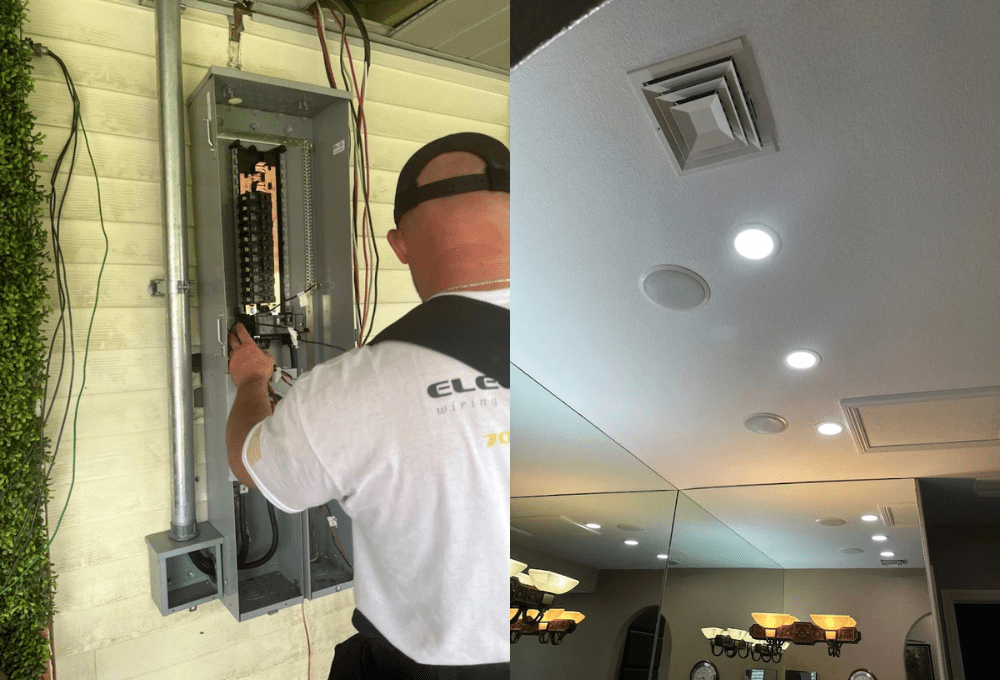
Overloading outlets and power strips is a prevalent mistake that can lead to overheating and electrical fires. When too many devices are plugged into a single outlet, it can exceed the outlet’s capacity, causing wires to overheat. Homeowners should be aware of the wattage limits of their outlets and distribute electrical loads evenly across multiple outlets. Using power strips with built-in circuit breakers can also help prevent overloads and enhance safety.
Using Incorrect Light Bulbs
Using incorrect light bulbs can create significant safety hazards, particularly in outdoor fixtures. Bulbs with higher wattage than recommended can overheat, leading to potential fires. Homeowners should always check the wattage rating on light fixtures and opt for energy-efficient LED bulbs, which produce less heat and consume less energy. This not only enhances safety but also promotes energy efficiency.
Neglecting GFCI Outlets
Ground Fault Circuit Interrupter (GFCI) outlets are essential for outdoor electrical safety, especially in wet areas. Neglecting to install or maintain GFCI outlets can lead to severe electrical shocks. These outlets are designed to cut off power when they detect a ground fault, providing an extra layer of protection. Homeowners should ensure that GFCI outlets are installed in outdoor locations and test them regularly to confirm they are functioning correctly.
Relying on Extension Cords
Using extension cords as a permanent solution for outdoor power needs is a common mistake that can lead to overheating and electrical fires. Extension cords are designed for temporary use and should not be used as a substitute for permanent wiring. Homeowners should consider installing additional outdoor outlets to meet their power needs safely. This not only reduces the risk of accidents but also improves convenience.
Ignoring Regular Maintenance
Regular maintenance of outdoor electrical systems is crucial for preventing potential failures. Homeowners often overlook the importance of routine inspections, which can identify issues before they escalate into serious problems. Scheduling regular electrical inspections with a licensed electrician can help ensure that outdoor wiring, outlets, and fixtures are in good condition and compliant with safety standards.
Inspection Guidance
Conducting regular electrical inspections is essential for maintaining the safety of outdoor electrical systems. Homeowners should be aware of the signs that indicate potential electrical issues, such as flickering lights, tripped breakers, or unusual odors. Engaging a licensed electrician for thorough inspections can help identify hidden hazards and ensure compliance with electrical codes. This proactive approach not only enhances safety but also provides peace of mind.
Common Errors to Avoid
When it comes to outdoor electrical safety, several common errors should be avoided:
- Grounding Issues: Ensure all outdoor outlets are properly grounded to prevent electrical shocks.
- Wiring Overcrowding: Avoid overcrowding electrical circuits, which can lead to overheating and potential fires.
- Ignoring Weatherproofing: Use weatherproof covers for outdoor outlets and fixtures to protect against moisture and debris.
By being aware of these common errors, homeowners can take proactive steps to enhance their outdoor electrical safety.
How Can Professional Electrical Inspections Enhance Outdoor Home Safety?
Professional electrical inspections play a crucial role in enhancing outdoor home safety. These inspections can identify hidden hazards that may not be visible to the untrained eye. Licensed electricians have the expertise to assess the condition of outdoor wiring, outlets, and fixtures, ensuring they meet safety standards. Regular inspections can also help prevent electrical fires and ensure compliance with local codes, providing homeowners with peace of mind.
What to Expect During an Outdoor Electrical Safety Inspection
During an outdoor electrical safety inspection, homeowners can expect a thorough evaluation of their electrical systems. The inspection typically includes checking the condition of wiring, outlets, and fixtures, as well as testing GFCI outlets for proper functionality. Electricians will also look for signs of wear and tear, such as frayed wires or corrosion, and provide recommendations for necessary repairs or upgrades.
What Role Does Surge Protection Play in Preventing Outdoor Electrical Damage?
Surge protection is essential for preventing outdoor electrical damage caused by power surges. These surges can occur due to lightning strikes, power outages, or equipment malfunctions, leading to significant damage to electrical systems and appliances. Installing surge protectors can help safeguard outdoor electrical equipment and prevent costly repairs. Homeowners should consider investing in whole-house surge protection systems for comprehensive coverage.
How Surge Protectors Safeguard Outdoor Electrical Equipment
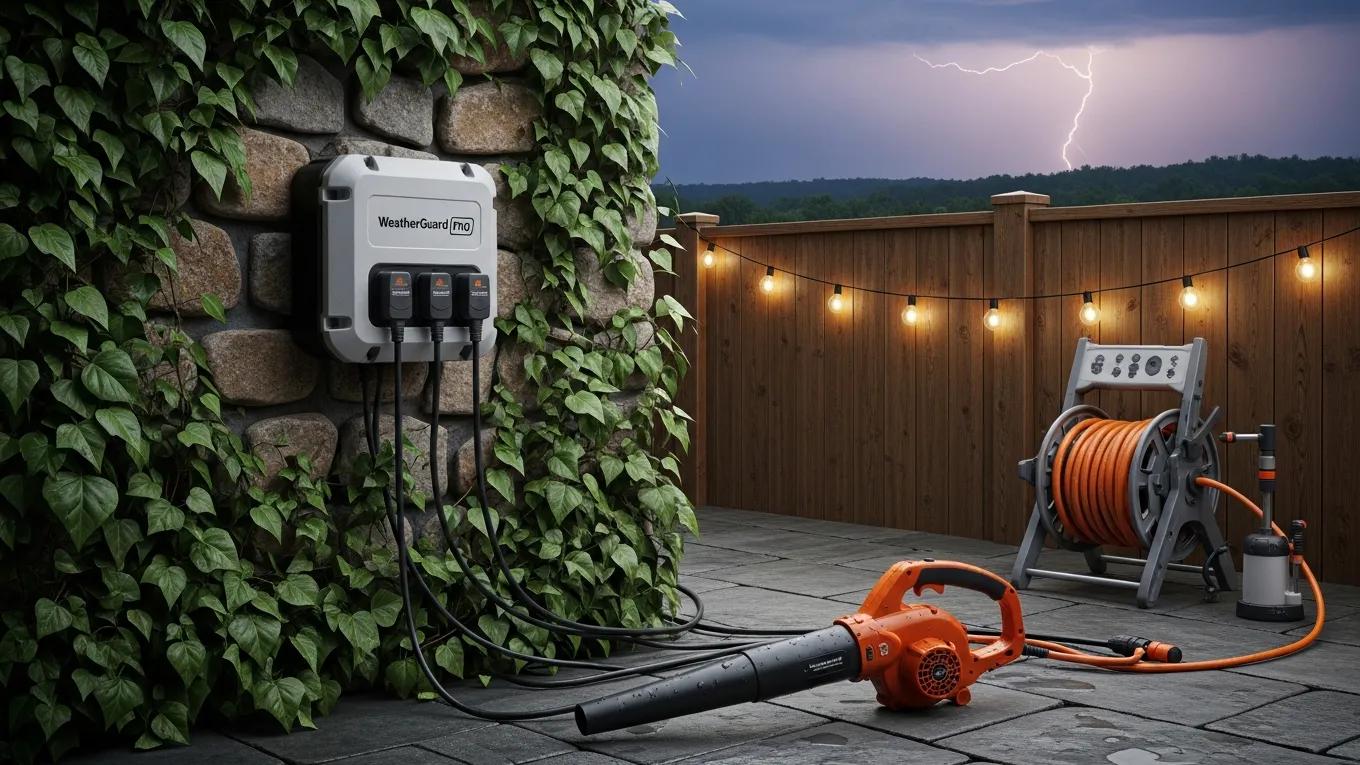
Surge protectors work by diverting excess voltage away from electrical devices, preventing damage from power surges. They are designed to absorb and dissipate the energy from surges, protecting sensitive equipment such as outdoor lighting, irrigation systems, and power tools. Homeowners should ensure that surge protectors are installed in outdoor settings to enhance the longevity and safety of their electrical systems.
Choosing the Right Surge Protection for Your Home’s Outdoor Wiring
When selecting surge protection for outdoor wiring, homeowners should consider several factors:
- Type of Surge Protector: Choose between plug-in surge protectors for individual devices or whole-house surge protection systems for comprehensive coverage.
- Joule Rating: Look for surge protectors with a higher joule rating, indicating greater capacity to absorb surges.
- Response Time: Opt for surge protectors with fast response times to minimize the risk of damage during surges.
By carefully selecting surge protection, homeowners can significantly reduce the risk of outdoor electrical damage.
How Can Homeowners Prevent Outdoor Electrical Hazards Through Best Practices?
Homeowners can prevent outdoor electrical hazards by following best practices for safety:
- Use GFCI Outlets: Install GFCI outlets in all outdoor locations to protect against electrical shocks.
- Regular Inspections: Schedule regular inspections with a licensed electrician to identify potential issues.
- Proper Lighting: Ensure outdoor lighting fixtures are rated for exterior use and properly installed to prevent moisture damage.
By implementing these best practices, homeowners can enhance the safety of their outdoor electrical systems.
Safe Installation and Maintenance of Outdoor Outlets and Lighting
Safe installation and maintenance of outdoor outlets and lighting are crucial for preventing electrical hazards. Homeowners should ensure that all outdoor electrical installations comply with local codes and standards. Regular maintenance, such as cleaning fixtures and checking for signs of wear, can help prolong the life of outdoor electrical systems. Additionally, using weatherproof covers and fixtures can protect against moisture and debris, enhancing safety.
When to Call a Licensed Electrician for Outdoor Electrical Repairs
Homeowners should call a licensed electrician for outdoor electrical repairs in the following situations:
- Frequent Tripped Breakers: If breakers trip frequently, it may indicate an underlying issue that requires professional assessment.
- Visible Damage: Any visible damage to wiring or outlets should be addressed immediately by a qualified electrician.
- Unusual Odors: If there are unusual odors coming from outlets or fixtures, it may indicate overheating or electrical faults.
By recognizing these signs, homeowners can take prompt action to ensure their outdoor electrical systems remain safe and functional.
Considering upgrading your home’s electrical system? Electricode offers a variety of electrical specials to help you save on your next project. Contact us today to learn more!