Old Electrical Fuses vs Modern Breakers: What’s the Difference?
Many homeowners feel confused when they look at their electrical panel and see parts they do not recognize. Older homes often still rely on aging systems, and many people wonder how safe and reliable those parts are. This concern grows when they begin to compare old electrical fuses vs modern breakers and try to understand which one offers better protection.
Older electrical designs were built for a different time. Homes used fewer appliances, carried lighter loads, and had simpler power needs. Today, houses depend on stronger systems that can support heavy demand without creating fire risks or frequent outages. When outdated panels cannot keep up, homeowners face real safety concerns.
In this blog, you will learn how these systems work, how they protect your home, and why some panels need upgrades. You will also see key signs that show when it is time for a safer and more reliable solution.
What Are Old Electrical Fuses vs Modern Breakers?
Old electrical systems used fuses to protect circuits from overloads. A fuse contains a thin metal strip that melts when the current becomes too strong. This stops the flow of electricity and prevents serious damage. This design worked well for small homes with light electrical use, but modern needs have changed.
Modern breakers work in a different way. Instead of melting, breakers trip when the current becomes unsafe. This action is faster and easier to reset. Breakers also support higher electrical demand, which is common in today’s homes. Because of this improvement, many homeowners compare old electrical fuses vs modern breakers to understand which system fits their home better.
Fuses cannot be reset after they melt. They must be replaced each time a circuit overloads. Breakers avoid this problem. A simple switch turns them back on, making them easier and safer for daily use. This difference plays a major role in home safety and convenience.
If your panel seems outdated or unreliable, you can schedule safe help through electrical repairs for a clear review.
How Old Electrical Fuses vs Modern Breakers Handle Overloads
Homeowners often wonder how old electrical fuses vs modern breakers respond when a circuit becomes unsafe. Both systems protect your home, but they work in very different ways. These differences help you understand why one system can struggle under heavy use while the other offers stronger support.
How Fuses React During Overloads
- The metal strip melts when the current is too high
- Power stops instantly
- Fuse must be replaced after each event
- More effort is required for busy households
How Breakers React During Overloads
- Internal switch flips to off
- Power stops quickly
- Breaker resets with a simple move
- Faster recovery for daily use
Why Breakers Handle Heat Better
- Stronger materials
- Designed for modern load levels
- Less risk of melting parts
- Better airflow inside the panel
Why Fuses Struggle in Modern Homes
- Not designed for heavy appliances
- Can blow often under normal use
- Easy to mismatch fuse sizes
- Higher chance of unsafe repairs
The way these systems react to overloads tells you how well they fit into a modern home. Breakers offer safer and faster protection, while older fuses may fall behind under higher demand.
If you want upgrades that support safer lighting and modern power needs, you can explore indoor and outdoor lighting services for reliable improvements.
Safety Risks Linked to Old Electrical Fuses
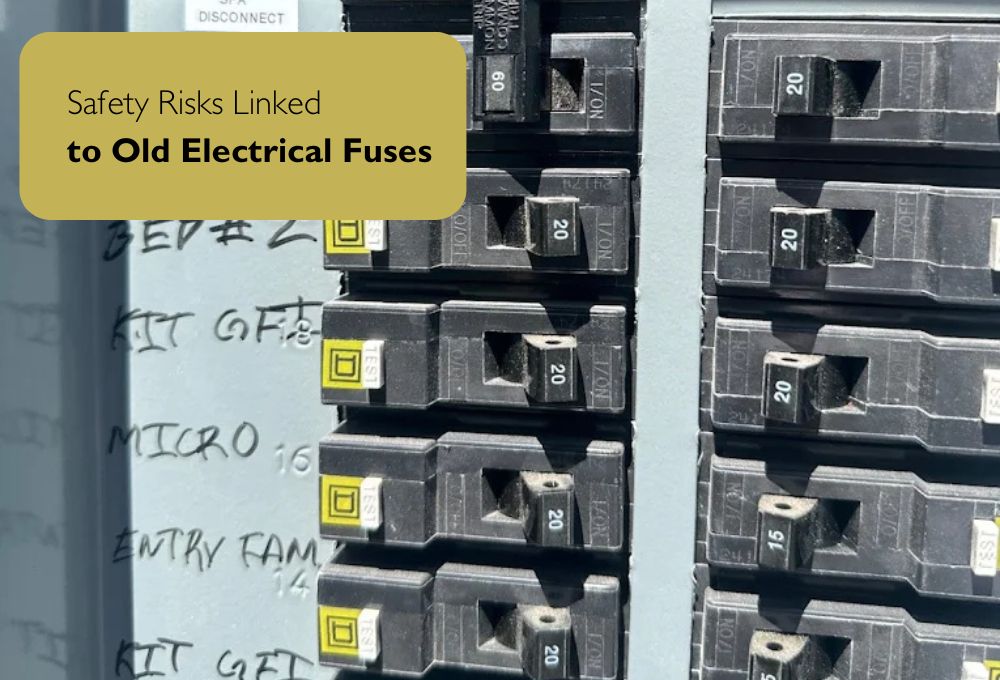
Older homes often rely on outdated panels that struggle to support modern electrical demand. When you compare old electrical fuses vs modern breakers, you can see clear gaps in safety. Fuses were built for smaller loads and simpler appliances, so they face higher stress when used in today’s homes. This stress increases the chance of overheating and other hazards that may go unnoticed.
- Higher risk of loose or damaged fuse holders
- No grounding support in many older systems
- Increased fire hazards from overloaded fuses
- Easy to install the wrong fuse size
- More wear from heat and age
These issues create danger because fuses depend on precise sizing. If someone installs a stronger fuse to stop frequent blowing, the wire behind the fuse can overheat. This hidden heat can damage the home and increase shock risks. Breakers avoid this because they trip instead of melting or failing silently.
It becomes easier to understand the safety gap when you look closely at both designs. Older fuse panels may seem simple, but they fall short when homes use heavy appliances and high-demand devices. Modern breakers offer safer, faster, and stronger protection.
For added safety in any upgrade plan, you can explore surge protection services for extra support against electrical spikes.
Benefits of Modern Breaker Panels
Many homeowners compare old electrical fuses vs modern breakers to understand why newer panels offer better protection. Breaker panels are built for today’s electrical loads, so they respond faster and handle power more safely. This makes them a strong choice for older homes that face growing electrical needs. Breakers also fit the design of modern appliances, which often draw more current than older systems can support.
Breakers offer improved safety features. They trip quickly when detecting unsafe conditions. This helps prevent electrical fires, damaged wires, and overheated circuits. Homeowners gain peace of mind because the panel reacts fast and resets easily. Fuses cannot match this level of convenience or safety.
Breaker panels also support expansion. If a home adds new appliances or upgrades heating and cooling systems, breakers can handle the extra load without stress. This flexibility helps homeowners avoid frequent outages or constant repair work. Older fuse systems rarely support these growing needs.
If your home is ready for safer and more reliable power, you can explore EV charger installation to pair modern upgrades with new technology.
How Electricode Can Upgrade Your Home Safely
Homeowners often feel unsure when comparing old electrical fuses vs modern breakers, especially when they notice signs of strain or aging parts. Our licensed electricians review your system with care and explain each step in clear and simple terms. We inspect your panel, check for safety issues, and guide you toward the best solution for your home.
If you want safer power and reliable upgrades, you can contact Electricode today to schedule a professional inspection.