How Heat Impacts Electrical Wiring Inside Your Walls
How Heat Impacts Electrical Wiring Inside Your Walls: Understanding Risks and Solutions
Heat can significantly affect electrical wiring in walls, posing various risks and hazards. As temperatures rise, the insulation around electrical wires can degrade, increasing the risk of electrical failures and fires. This article will explore how heat impacts electrical wiring, the associated risks, and effective solutions to mitigate damage. Homeowners and businesses alike must understand these issues to ensure safety and maintain the integrity of their electrical systems. We will cover the effects of heat on wiring, how to identify signs of heat damage, and the importance of professional electrical inspections and repairs.
Impact of Heat on Electrical Wiring
Heat affects electrical wiring primarily by causing insulation breakdown. When wires are subjected to excessive heat, the insulating materials can deteriorate, increasing the risk of short circuits and electrical fires. Overheating often results from excessive electrical loads, which can make wires warm to the touch. Recognizing these signs early can prevent more severe issues down the line. Understanding how heat impacts wiring is crucial for maintaining safe electrical systems in both residential and commercial settings.
Associated Risks and Hazards
The risks associated with heat-damaged wiring are significant. Electrical fires are a major concern, as damaged insulation can ignite, leading to catastrophic outcomes. Additionally, equipment damage can occur when wiring fails, resulting in costly repairs and potential downtime for businesses. System failures may also arise from overloaded circuits, which can disrupt operations and pose safety hazards. Awareness of these risks is essential for anyone managing electrical systems.
Effective Solutions for Mitigating Damage
To mitigate heat damage to electrical wiring, several effective solutions can be implemented:
- Upgrading Wiring: Replacing old or inadequate wiring with modern, heat-resistant materials can significantly enhance safety.
- Regular Inspections: Conducting routine electrical inspections can help identify potential issues before they escalate into serious problems.
- Surge Protection: Installing surge protectors can prevent damage from voltage spikes that may occur during heat events.
These solutions not only protect the wiring but also contribute to the overall safety of the electrical system.
What Are the Effects of Heat on Electrical Wiring and Insulation?
Heat exposure leads to several detrimental effects on electrical wiring and insulation. The primary consequence is the degradation of insulation materials, which can become brittle and lose their protective properties. Older wiring is particularly susceptible to these effects, as the materials may not withstand high temperatures as effectively as newer alternatives. Furthermore, prolonged heat exposure increases the risk of fire, making it imperative to address any heat-related issues promptly.
How Does Heat Cause Wiring Insulation Degradation?
Wiring insulation degrades due to the breakdown of its chemical structure when exposed to high temperatures. Over time, heat accelerates these degradation processes, leading to cracks and brittleness in the insulation. This deterioration can expose the conductors within the wiring, increasing the risk of short circuits and electrical fires. Regular monitoring and timely replacement of damaged wiring are essential to maintain safety.
What Types of Damage Occur to Residential and Commercial Wiring?
Different types of damage can occur to both residential and commercial wiring due to heat exposure. For residential wiring, common issues include melted insulation and exposed conductors, which can lead to short circuits. In commercial settings, wiring may face unique challenges, such as increased loads from heavy machinery, which can exacerbate heat-related damage. Understanding these vulnerabilities is crucial for effective maintenance and safety.
How Can You Identify Signs of Heat-Damaged Wiring in Your Walls?
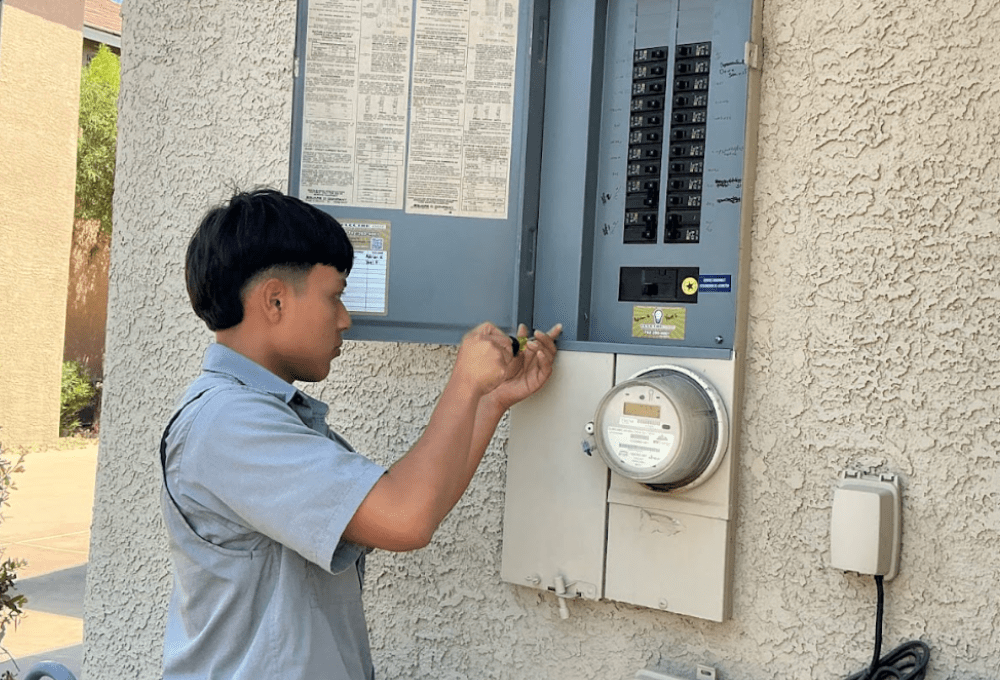
Identifying signs of heat-damaged wiring is vital for preventing further issues. Common indicators include warm outlets, which may suggest overheating, and burning smells that indicate insulation breakdown. Additionally, flickering lights can indicate an overload in the electrical system. Recognizing these signs early can help homeowners and businesses take action before more severe damage occurs.
What Are Common Indicators of Overheating and Insulation Breakdown?
- Warm Outlets: Outlets that feel hot to the touch may indicate wiring issues.
- Burning Smells: A burning odor can signal insulation degradation or electrical shorts.
- Flickering Lights: Lights that flicker or dim unexpectedly may suggest overloaded circuits.
Being aware of these signs can prompt timely inspections and repairs.
How Does Heat Damage Increase Fire Risk in Electrical Systems?
Heat damage significantly increases the risk of fire in electrical systems. Overheating can create ignition sources, especially in older wiring that may not meet current safety standards. Statistics show that electrical fires often result from faulty wiring, making it crucial to address heat-related issues promptly. Regular inspections and maintenance can help mitigate these risks and ensure the safety of electrical systems.
What Electrical Inspection and Repair Services Address Heat-Damaged Wiring?
Professional electrical inspection and repair services play a critical role in addressing heat-damaged wiring. These services can identify issues that may not be visible to the untrained eye, ensuring that any potential hazards are addressed before they escalate. Regular inspections can help maintain the integrity of electrical systems and prevent costly repairs down the line.
How Do Professional Inspections Detect Heat-Related Wiring Issues?
Professional inspections utilize various methods to detect heat-related wiring issues. Visual inspections can reveal signs of damage, while thermal imaging can identify hot spots indicating overheating. These techniques allow electricians to pinpoint problems accurately and recommend appropriate solutions, ensuring the safety and reliability of electrical systems.
What Repair Solutions Does Electricode Offer for Heat Damage?
- Wiring Replacement: Essential for ensuring safety and compliance with current electrical codes.
- Panel Upgrades: Enhancing the electrical panel can improve system reliability and reduce the risk of overloads.
These services are designed to address heat damage effectively and restore the integrity of electrical systems.
How Can Homeowners and Businesses Prevent Heat Damage to Electrical Wiring?
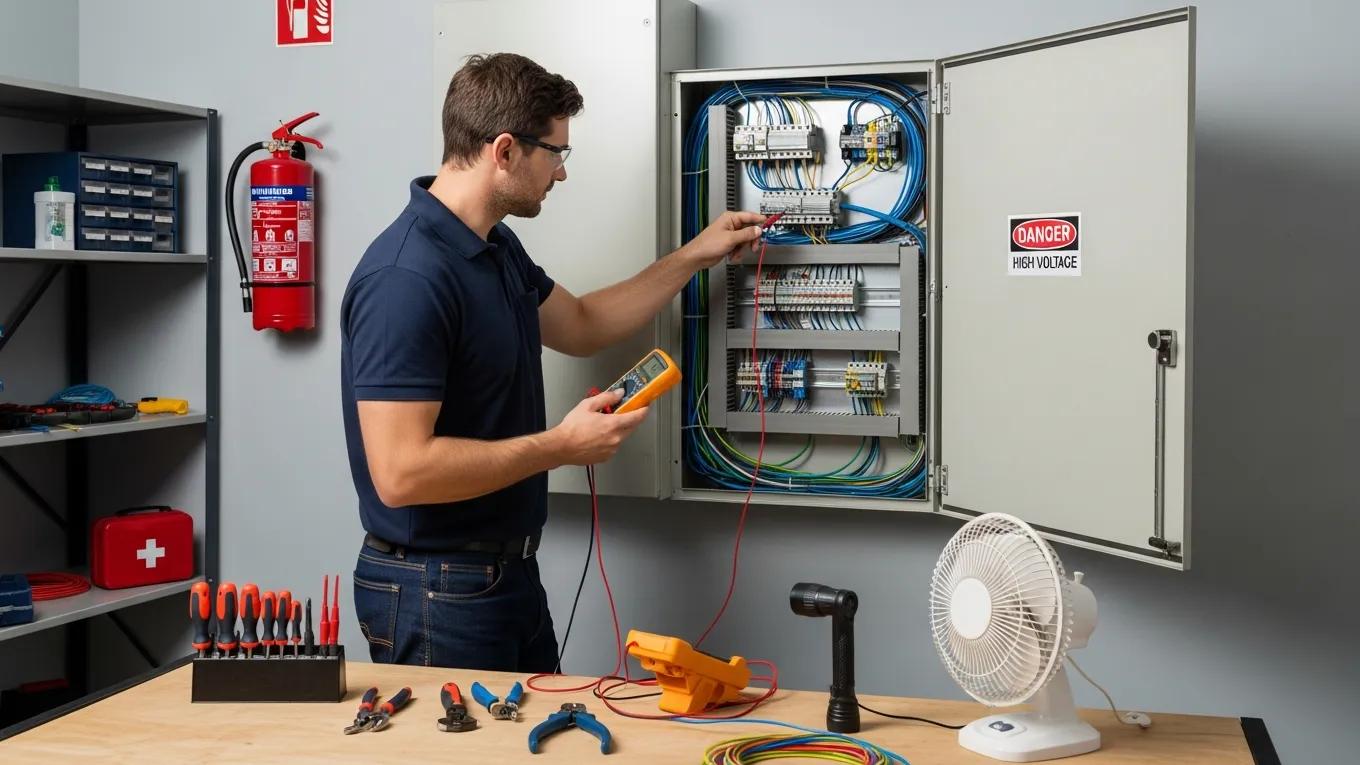
Preventing heat damage to electrical wiring requires proactive measures. Homeowners and businesses can implement several strategies to reduce the risk of overheating and ensure the safety of their electrical systems.
- Regular Inspections: Scheduling routine inspections can help identify potential issues before they escalate.
- Avoid Overloading Circuits: Distributing electrical loads evenly can prevent overheating and reduce the risk of damage.
- Use Quality Surge Protection: Investing in high-quality surge protectors can safeguard against voltage spikes that may occur during heat events.
By taking these preventative measures, individuals can significantly reduce the risk of heat damage to their electrical wiring.
What Preventive Measures Reduce Wiring Heat Exposure?
- Upgrade Electrical Panels: Ensuring that electrical panels are up to date can help manage loads effectively.
- Monitor Electrical Load: Keeping track of the electrical load can prevent overloads and overheating.
Implementing these strategies can enhance the safety and longevity of electrical systems.
How Does Regular Maintenance Mitigate Fire Hazards from Heat?
Regular maintenance is crucial for mitigating fire hazards associated with heat damage. Routine checks can catch issues early, allowing for timely repairs and replacements. Maintenance plans that include inspections and updates to wiring systems can enhance safety and reduce the risk of electrical fires. By prioritizing regular maintenance, homeowners and businesses can protect their properties and ensure the reliability of their electrical systems.
If you need assistance with electrical issues, contact Electricode for expert help.
For electrical repairs, it’s essential to choose a reliable service.
Consider ceiling fan installation to improve air circulation and reduce heat.