Electrical Issues That Can Affect Home Insurance Approval
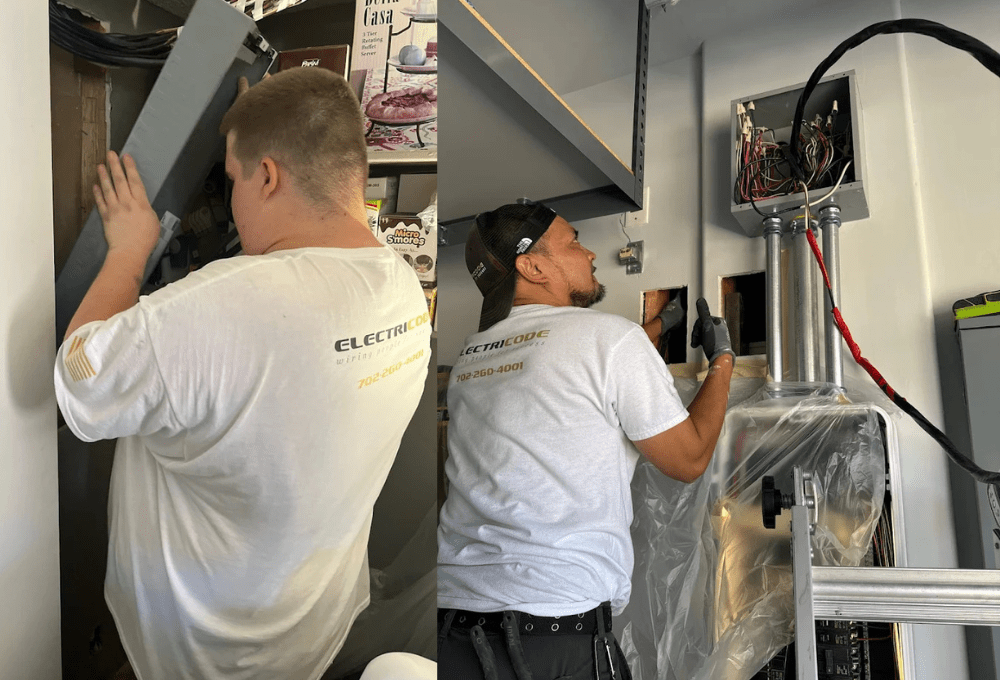
Electrical Issues That Can Affect Home Insurance Approval: Understanding Inspection Requirements and Safety Compliance
Electrical issues can significantly impact home insurance approval, as insurers often require compliance with specific safety standards and inspection protocols. Understanding these requirements is crucial for homeowners seeking to secure coverage. This article will explore the various electrical problems that can affect insurance eligibility, the importance of inspections, and how compliance with safety standards can lead to better insurance outcomes. Homeowners often face challenges when outdated wiring or faulty electrical systems are present, which can lead to increased premiums or even denial of coverage. We will delve into common electrical issues, the role of licensed electricians, and the benefits of surge protection systems in maintaining compliance with insurance standards.
Inspection Requirements
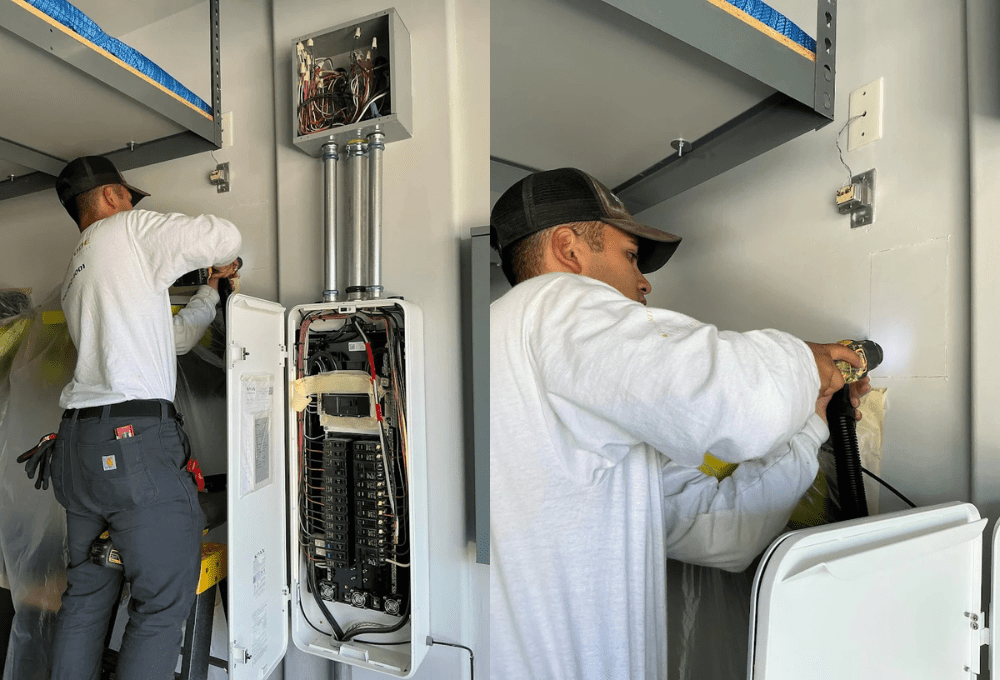
Home insurance providers typically mandate thorough electrical inspections to ensure that a property meets safety standards. These inspections are crucial for identifying potential hazards that could lead to electrical fires or other safety issues. Regular inspections help homeowners understand the condition of their electrical systems and address any deficiencies before they become problematic. Insurers often look for compliance with local and national electrical codes during these inspections, which can vary by region.
Indeed, insurers emphasize the critical role of inspections and adherence to safety regulations to mitigate risks.
Insurer’s View: Electrical Inspection & Safety Compliance
the necessity for inspection and testing has Approved Code of Practice issued by the Health and Safety Executive, and whilst the Electricity at Work Regulations
Towards safer electrical installations. The insurer’s view, 1999
Importance of Regular Inspections
Regular inspections are essential for maintaining the safety and functionality of a home’s electrical system. They help identify outdated wiring, overloaded circuits, and other issues that could pose risks. Homeowners should schedule inspections every few years or after significant renovations to ensure ongoing compliance with safety standards.
Stages of Inspections
Electrical inspections typically occur in stages, starting with a visual assessment of the electrical panel, wiring, and outlets. Following this, a licensed electrician may conduct tests to evaluate the system’s performance and safety. Finally, a detailed report is provided, outlining any necessary repairs or upgrades to meet compliance.
Safety Compliance Standards
Safety compliance standards are established to protect homeowners and their properties from electrical hazards. These standards are enforced by local and national codes, which dictate the minimum requirements for electrical installations and repairs. Understanding these standards is vital for homeowners to ensure their electrical systems are safe and compliant.
Local and National Electrical Codes
Local and national electrical codes provide guidelines for safe electrical installations. These codes cover various aspects, including wiring methods, grounding requirements, and circuit protection. Homeowners must familiarize themselves with these codes to ensure their electrical systems meet the necessary safety standards.
Common Compliance Failures
Common compliance failures include outdated electrical panels, inadequate grounding, and the use of non-compliant materials. These issues can lead to increased risks of electrical fires and may result in insurance denials. Homeowners should work with licensed electricians to address any compliance failures promptly.
Common Electrical Problems Impacting Insurance Eligibility
Several electrical problems can affect a homeowner’s eligibility for insurance coverage. Insurers often assess the condition of a home’s electrical system during the underwriting process, and certain issues can lead to increased premiums or outright denial of coverage.
- Outdated Electrical Panels: Older panels may not handle modern electrical loads, increasing the risk of overheating and fires.
- Inadequate Grounding: Proper grounding is essential for safety; inadequate grounding can lead to electrical shocks and equipment damage.
- Overcrowded Wiring: Overcrowded circuits can cause overheating and increase the risk of electrical fires.
- Faulty GFCI Protection: Ground Fault Circuit Interrupters (GFCIs) are crucial for preventing electrical shocks in wet areas; faulty GFCIs can lead to serious safety hazards.
- Use of Non-Compliant Materials: Using materials that do not meet current safety standards can result in insurance denials.
Addressing these issues proactively can help homeowners maintain their insurance eligibility and ensure their safety.
Impact on Insurance Approval
The condition of a home’s electrical system plays a significant role in insurance approval. Insurers assess the risks associated with outdated or faulty electrical systems, which can lead to higher premiums or denial of coverage. Homeowners can take proactive measures to improve their chances of approval by addressing electrical issues and ensuring compliance with safety standards.
In fact, obtaining proper electrical certification is often a prerequisite for securing home insurance, highlighting the importance of documented compliance.
Electrical Certification for Home Insurance Approval
Find that insurance is difficult to obtain, while most licensing bodies and local authorities are asking for electrical certification within their guidelines. All of these regulations are under the
Practical guide to inspection, testing and certification of electrical installations, 2009
Insurance Discounts for Upgrades
Many insurance providers offer discounts for homeowners who upgrade their electrical systems to meet modern safety standards. These upgrades can include installing surge protection systems, upgrading electrical panels, and ensuring proper grounding. Homeowners should inquire about potential discounts when making improvements to their electrical systems.
Proactive Measures for Compliance
Taking proactive measures to ensure compliance with safety standards can significantly impact insurance approval. Homeowners should schedule regular inspections, work with licensed electricians for necessary repairs, and stay informed about local electrical codes. By demonstrating a commitment to safety, homeowners can improve their chances of securing favorable insurance terms.
How Do Faulty Wiring and Home Wiring Issues Affect Insurance Policies?
Faulty wiring and other home wiring issues can have serious implications for insurance policies. Insurers often view these problems as significant risks, which can lead to increased premiums or denial of coverage. Homeowners must address wiring issues promptly to avoid negative impacts on their insurance.
Safety Concerns During Inspections
During inspections, faulty wiring can raise red flags for insurers. Issues such as exposed wires, improper connections, and outdated materials can lead to safety concerns. Homeowners should prioritize addressing these issues to ensure their electrical systems are safe and compliant.
Impact on Premiums
Insurance premiums can increase significantly if a home is found to have faulty wiring. Insurers may view these issues as high-risk factors, leading to higher costs for coverage. Homeowners should work with licensed electricians to rectify wiring problems and potentially lower their premiums.
What Electrical Code Violations Lead to Insurance Denials?
Certain electrical code violations can result in insurance denials, leaving homeowners without coverage. Understanding these violations is crucial for homeowners to ensure their electrical systems meet the necessary standards.
Failure to meet these essential building standards can indeed lead to severe consequences for homeowners seeking or maintaining insurance coverage.
Home Insurance Denial: Building Standards & Coverage Voidance
Homeowners have to meet building standards. This is just be denied coverage or have coverage voided after a loss. in the context of health and homeowners insurance.
- Outdated Electrical Panels: Panels that do not meet current safety standards can lead to denials.
- Frequent Breaker Trips: Frequent tripping of circuit breakers indicates underlying issues that may result in coverage denial.
- Flickering Lights: Flickering lights can signal wiring problems, which may lead to insurance complications.
Common Code Violations
Common code violations include improper grounding, inadequate circuit protection, and the use of non-compliant materials. Homeowners should work with licensed electricians to identify and rectify these violations to maintain their insurance eligibility.
How Do Home Electrical Inspection Requirements Influence Insurance Approval?
Home electrical inspection requirements play a critical role in the insurance approval process. Insurers often require proof of a recent inspection to assess the safety and compliance of a home’s electrical system.
Compliance with Electrical Codes
Compliance with electrical codes is essential for insurance approval. Homeowners must ensure that their electrical systems meet local and national standards to avoid complications during the underwriting process. Regular inspections can help identify any deficiencies that need to be addressed.
Regular Inspections Importance
Regular inspections are vital for maintaining compliance and ensuring the safety of a home’s electrical system. Homeowners should schedule inspections every few years or after significant renovations to ensure ongoing compliance with safety standards.
What Are the Key Components of an Electrical Safety Inspection for Insurance?
An electrical safety inspection involves several key components that assess the condition of a home’s electrical system. Understanding these components can help homeowners prepare for inspections and ensure compliance with insurance requirements.
- Initial Inspection Details: The initial inspection includes a visual assessment of the electrical panel, wiring, and outlets.
- Service Inspection Focus: The service inspection focuses on testing the performance and safety of the electrical system.
- Follow-Up Inspection Importance: Follow-up inspections are crucial for ensuring that any identified issues have been addressed.
How Can Licensed Electricians Ensure Compliance with Insurance Standards?
Licensed electricians play a vital role in ensuring compliance with insurance standards. Their expertise is essential for identifying and rectifying electrical issues that could impact insurance eligibility.
Inspection Processes
Licensed electricians follow established inspection processes to assess the condition of a home’s electrical system. They conduct thorough evaluations and provide detailed reports outlining any necessary repairs or upgrades.
Specific Requirements
Electricians are familiar with specific requirements set forth by local and national electrical codes. They can help homeowners navigate these requirements and ensure their electrical systems meet the necessary standards for insurance approval.
What Role Does Surge Protection Play in Electrical Safety for Home Insurance?
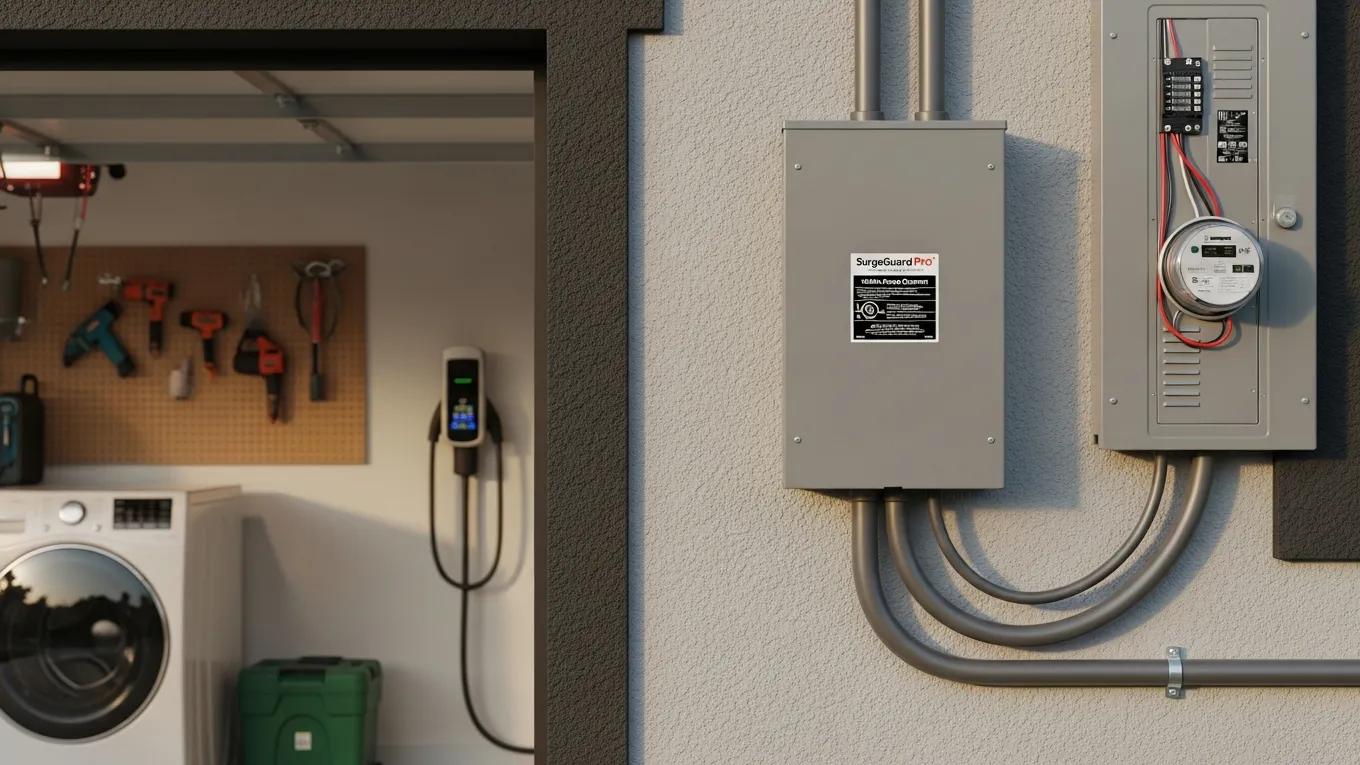
Surge protection is a critical component of electrical safety that can significantly impact home insurance. Installing surge protection systems can help prevent damage to electrical devices and reduce the risk of electrical fires.
Whole-Home Surge Protection
Whole-home surge protection systems provide comprehensive coverage against power surges, protecting all electrical devices within the home. These systems are essential for safeguarding valuable electronics and appliances.
Risks of Absence
Without surge protection, homes are at risk of electrical damage from power surges caused by lightning strikes or utility issues. This absence can lead to costly repairs and increased insurance claims, potentially impacting coverage.
How Does Surge Protection Reduce Electrical Damage Risks Affecting Insurance?
Surge protection systems play a crucial role in reducing electrical damage risks that can affect insurance coverage. By preventing damage to electrical devices, these systems can help homeowners avoid costly repairs and insurance claims.
Damage to Appliances
Power surges can cause significant damage to appliances and electronics, leading to costly repairs or replacements. Surge protection systems mitigate these risks by diverting excess voltage away from sensitive devices.
Increased Fire Risk
Electrical surges can also increase the risk of electrical fires, which can have devastating consequences for homeowners. Installing surge protection systems can help reduce this risk and improve overall safety.
What Are the Insurance Benefits of Installing Surge Protection Systems?
- Risk Reduction: Surge protection systems significantly reduce the risk of electrical damage, which can lead to fewer insurance claims.
- Insurance Discounts: Many insurers offer discounts for homes equipped with surge protection systems, recognizing the reduced risk associated with these installations.
- Increased Home Value: Homes with modern electrical systems, including surge protection, may have higher resale values due to their enhanced safety features.
How Can Electrical Repairs Help Avoid Home Insurance Denials?
Electrical repairs are essential for maintaining compliance with insurance standards and avoiding denials. Homeowners should prioritize necessary repairs to ensure their electrical systems are safe and functional.
Professional Inspections
Professional inspections are crucial for identifying electrical issues that need to be addressed. Homeowners should work with licensed electricians to conduct thorough evaluations and make necessary repairs.
Necessary Repairs
Necessary repairs may include upgrading electrical panels, fixing faulty wiring, and ensuring proper grounding. Addressing these issues promptly can help homeowners maintain their insurance eligibility and avoid complications during the underwriting process.
Which Electrical Repairs Are Essential to Meet Insurance Standards?
- Upgrading Electrical Panels: Modern electrical panels are essential for handling current electrical loads safely.
- Wiring Upgrades: Upgrading outdated wiring can help prevent safety hazards and improve overall system performance.
- Grounding Improvements: Ensuring proper grounding is crucial for safety and compliance with electrical codes.
How Does Ongoing Electrical Maintenance Support Insurance Compliance?
Ongoing electrical maintenance is vital for supporting insurance compliance and ensuring the safety of a home’s electrical system. Homeowners should prioritize regular maintenance to avoid potential issues.
Regular Inspections
Regular inspections are essential for identifying and addressing electrical issues before they become problematic. Homeowners should schedule inspections every few years to ensure ongoing compliance with safety standards.
Upgrading Systems
Upgrading electrical systems as needed can help homeowners maintain compliance and improve safety. Homeowners should work with licensed electricians to assess their systems and make necessary upgrades.
To ensure your home is protected from power surges, consider surge protection. This can help prevent damage to your appliances and electronics.
Preventive Maintenance
Preventive maintenance is crucial for ensuring the long-term safety and functionality of a home’s electrical system. Homeowners should prioritize regular maintenance to avoid potential issues that could impact their insurance coverage.
For those in Las Vegas, consider exploring electrical repairs in Las Vegas to keep your home safe and compliant.