Electrical Fire Risks That Increase During Heat Waves
Electrical Fire Risks That Increase During Heat Waves: Essential Safety Insights and Prevention Strategies
As temperatures rise during heat waves, the risk of electrical fires significantly increases, posing a serious threat to homes and businesses. Understanding the factors that contribute to these risks is crucial for effective prevention. This article will explore the various elements that elevate electrical fire hazards during extreme heat, essential safety insights for homeowners, and practical prevention strategies to mitigate these risks. By addressing these concerns, individuals can protect their properties and ensure safety during the hottest months of the year.
Factors Contributing to Increased Fire Hazards:
Several factors contribute to the heightened risk of electrical fires during heat waves. The combination of increased electrical demand, aging infrastructure, and overloaded circuits creates a perfect storm for potential hazards.
- High Electrical Demand: During heat waves, air conditioning units and cooling systems are heavily utilized, leading to a surge in electrical consumption. This increased demand can strain electrical systems, making them more susceptible to failures.
- Aging Infrastructure: Many electrical systems in older homes and buildings may not be equipped to handle the increased load, leading to potential malfunctions and fire risks.
- Overloaded Circuits: With multiple devices running simultaneously, circuits can become overloaded, increasing the likelihood of overheating and electrical fires.
Understanding these factors is essential for homeowners to take proactive measures in safeguarding their properties.
Essential Safety Insights:
To prevent electrical fires during heat waves, homeowners should adopt several safety practices. These insights can help mitigate risks and ensure a safer environment.
- Regular Inspections: Schedule routine electrical inspections to identify potential hazards before they escalate into serious issues.
- Monitor Electrical Load: Be aware of the total load on circuits, especially during peak usage times, to avoid overloading.
- Surge Protection: Install surge protectors to safeguard electrical devices from voltage spikes that can occur during heat waves.
Electricode, a Las Vegas-based electrical services company, specializes in residential and commercial electrical solutions, providing essential services to help ensure safety during extreme weather conditions.
Prevention Strategies:
Implementing effective prevention strategies is vital for reducing the risk of electrical fires during heat waves. Here are some key approaches:
- Avoid Overloading Circuits: Limit the number of devices plugged into a single outlet to prevent overheating.
- Upgrade Electrical Systems: Consider upgrading outdated electrical panels and wiring to handle increased loads safely.
- Use Energy-Efficient Appliances: Opt for energy-efficient appliances that consume less power and reduce the overall electrical load.
By following these strategies, homeowners can significantly decrease the likelihood of electrical fires during periods of extreme heat.
How Do Heat Waves Elevate Electrical Fire Hazards?
Heat waves elevate electrical fire hazards primarily through increased demand on electrical systems and heat-induced wear on components. As temperatures rise, the strain on electrical systems intensifies, leading to potential failures. Additionally, prolonged exposure to high temperatures can degrade wiring and other electrical components, increasing the risk of malfunctions.
Which Electrical Components Are Most Vulnerable to Heat Damage?
Certain electrical components are particularly vulnerable to heat damage during heat waves. These include:
- Wiring: High temperatures can cause insulation to deteriorate, leading to short circuits.
- Circuit Breakers: Overheating can cause circuit breakers to trip frequently, indicating potential overloads.
- Electrical Panels: Panels may become overloaded, leading to increased fire risks if not properly maintained.
Identifying these vulnerable components is crucial for effective prevention.
How Can You Identify Signs of Electrical Overload and Fire Hazards in Summer?
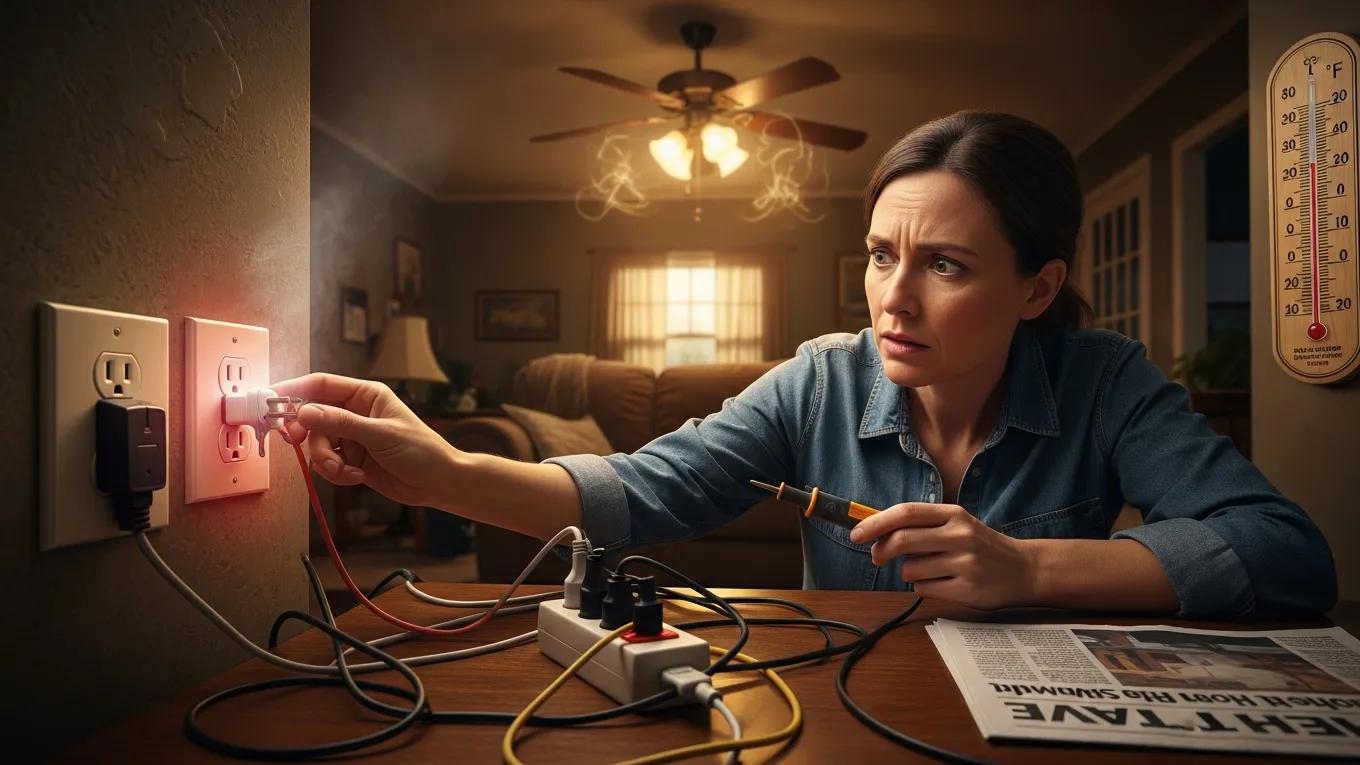
Recognizing the signs of electrical overload and potential fire hazards is essential for timely intervention. Homeowners should be vigilant for the following indicators:
- Flickering Lights: Frequent flickering or dimming of lights can indicate an overloaded circuit.
- Burning Smells: Any unusual burning odors near outlets or appliances should be investigated immediately.
- Warm Outlets: Outlets that feel warm to the touch may signal overheating and require immediate attention.
By being aware of these signs, homeowners can take action before a fire occurs.
What Are Common Indicators of Circuit Overload During Heat Waves?
Common indicators of circuit overload during heat waves include:
- Dimming Lights: Lights that dim when appliances are turned on can indicate an overloaded circuit.
- Buzzing Sounds: Unusual buzzing or humming noises from outlets or appliances may signal electrical issues.
- Warm Outlets: Outlets that are warm or hot to the touch should be checked for potential overloads.
Recognizing these signs can help prevent electrical fires.
How to Detect Electrical Panel Issues That Increase Fire Risk?
Detecting electrical panel issues is crucial for preventing fire risks. Homeowners should look for:
- Frequent Breaker Trips: If circuit breakers trip often, it may indicate an overloaded panel.
- Burning Smell Near the Panel: A burning smell near the electrical panel is a serious warning sign that should not be ignored.
Regular inspections and maintenance can help identify and address these issues before they escalate.
Why Are Electrical Inspections Crucial for Preventing Fires in Hot Weather?
Electrical inspections are vital for preventing fires, especially during hot weather. These inspections help identify potential hazards, ensure compliance with safety standards, and enhance system efficiency. By addressing issues proactively, homeowners can significantly reduce the risk of electrical fires.
To ensure your home is safe, consider scheduling electrical services. Regular maintenance can prevent many heat-related electrical issues.
What Does a Comprehensive Electrical Inspection Include?
A comprehensive electrical inspection typically includes:
- Initial Inspection: A thorough assessment of the entire electrical system to identify potential hazards.
- Service Inspection: Regular follow-up inspections to ensure ongoing safety and compliance.
- Follow-Up Inspection: Addressing any issues found during previous inspections to maintain system integrity.
These inspections are essential for ensuring the safety of electrical systems.
How Do Inspections Help Mitigate Fire Risks in Las Vegas Homes and Businesses?
In Las Vegas, regular electrical inspections help mitigate fire risks by ensuring safety compliance and preventing hazards. Inspections can identify outdated wiring, overloaded circuits, and other issues that could lead to fires. By maintaining efficiency and reliability, inspections play a crucial role in protecting homes and businesses.
What Are Effective Electrical Panel Upgrades and Repairs to Reduce Fire Risk?
Upgrading and repairing electrical panels can significantly reduce fire risk. Effective measures include:
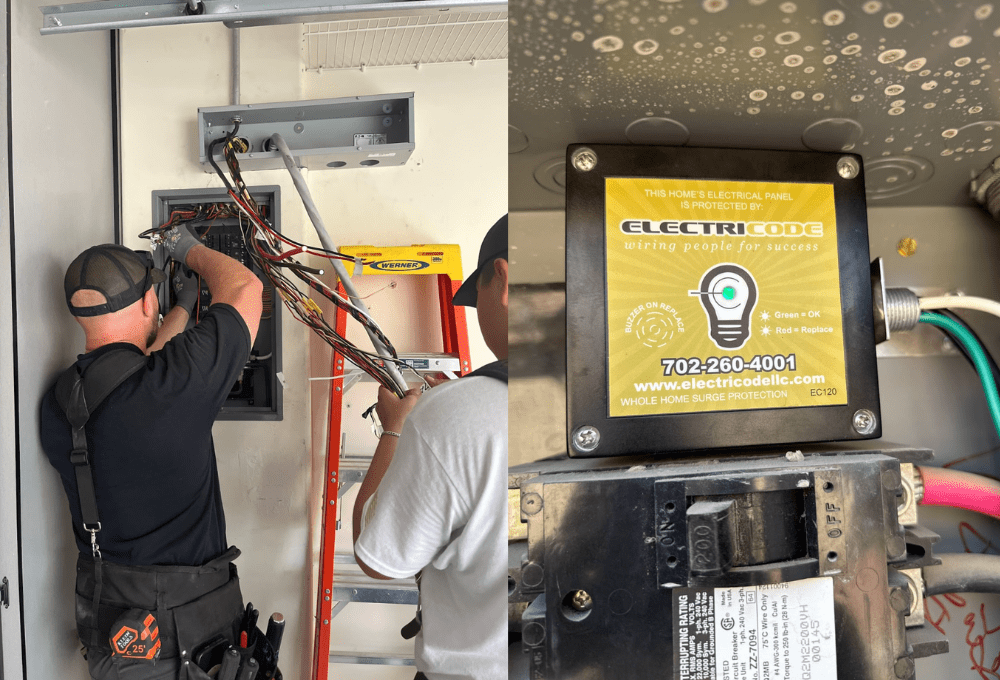
- Upgrade Electrical Panels: Replacing outdated panels with modern ones that can handle increased loads safely.
- Install Surge Protection: Adding surge protectors to prevent damage from voltage spikes.
- Replace Outdated Wiring: Updating old wiring to meet current safety standards and reduce fire risks.
These upgrades are essential for maintaining a safe electrical system.
How Do Electrical Panel Upgrades Prevent Overloads in Summer?
Electrical panel upgrades prevent overloads by ensuring that the system can handle increased demand during summer months. Professional inspections and load calculations can help determine the appropriate upgrades needed to maintain safety and efficiency.
If you’re experiencing frequent electrical issues, it might be time to consider electrical panel upgrades. This can significantly improve your home’s safety and efficiency.
When Should You Schedule Professional Electrical Repairs During Heat Waves?
Scheduling professional electrical repairs during heat waves is crucial when signs of electrical issues arise. Homeowners should be proactive in addressing:
- Signs of Electrical Issues: Any unusual behavior from electrical systems should prompt immediate action.
- Importance of Timely Repairs: Delaying repairs can lead to more significant issues and increased fire risks.
By prioritizing timely repairs, homeowners can protect their properties from potential hazards.
Don’t wait until it’s too late; contact Electricode for reliable electrical services and ensure your home is safe during the heat waves.