Is Your Old House’s Fuse Box Safe? Signs It’s Time to Upgrade
Many homeowners worry when they see old equipment inside their electrical panel. Older systems can create confusion, and people often wonder if their home is still safe. This concern grows even more when they learn their property may still depend on an old house fuse box. Fuse boxes were common decades ago, but modern homes use far.
Today’s appliances, heating systems, and devices place a heavy load on aging panels. When a fuse box struggles to keep up, it can create safety risks that are not easy to see. These risks may appear slowly and often go unnoticed until a problem becomes serious.
In this blog, you will learn how fuse boxes work, why they become unsafe with age, and what warning signs show the need for an upgrade. You will also learn how modern breaker panels offer stronger protection and improved safety for your home.
What an Old House Fuse Box Is and How It Works
An old house fuse box is an earlier form of electrical protection used in many older homes. It contains small fuses that break the electrical flow when a circuit becomes unsafe. Each fuse handles a specific amount of power, and when the limit is reached, the fuse melts to stop the current. This system was effective when homes used fewer appliances and lighter electrical loads.
Fuse boxes rely on replaceable fuses. Each time a circuit overloads, the fuse must be removed and replaced with a new one. This design worked decades ago, but modern homes place far more demand on electrical systems. As a result, fuse boxes often struggle to support current needs.
Fuse boxes also lack many safety features found in modern breaker panels. They were built before grounding and updated codes became standard. This gap increases risk as the system ages and faces heavier loads from modern appliances and devices.
If you want to understand the condition of your system, you can schedule an electrical inspection for a clear review.
Why an Old House Fuse Box Can Become Unsafe Over Time
An old house fuse box can become unsafe as homes begin to use more appliances and stronger electrical devices. These older boxes were not designed to handle heavy loads. As a result, parts wear out over time and struggle to support modern daily use. This creates hidden risks that can grow quickly when the system is pushed beyond its limits.
Increased Electrical Demand
- Homes use more power today
- Heavy appliances cause stress
- Frequent overloads weaken old parts
- Fuses blow more often
Aging Materials
- Old insulation becomes brittle
- Fuse holders loosen with time
- Metal parts corrode
- Wires heat faster under load
Lack of Modern Safety Features
- No grounding in older systems
- Limited protection from surges
- No advanced overload detection
- No arc fault protection
Physical Signs of Damage
- Burn marks near fuses
- Warm panel surfaces
- Buzzing or humming sounds
- Discolored covers or melting plastic
These issues grow worse as the panel ages. Older fuse boxes face more stress each year, especially in homes filled with electronics, smart devices, and high-demand appliances.
If your system shows any of these signs, you can schedule electrical repairs to prevent further damage and keep your home safe.
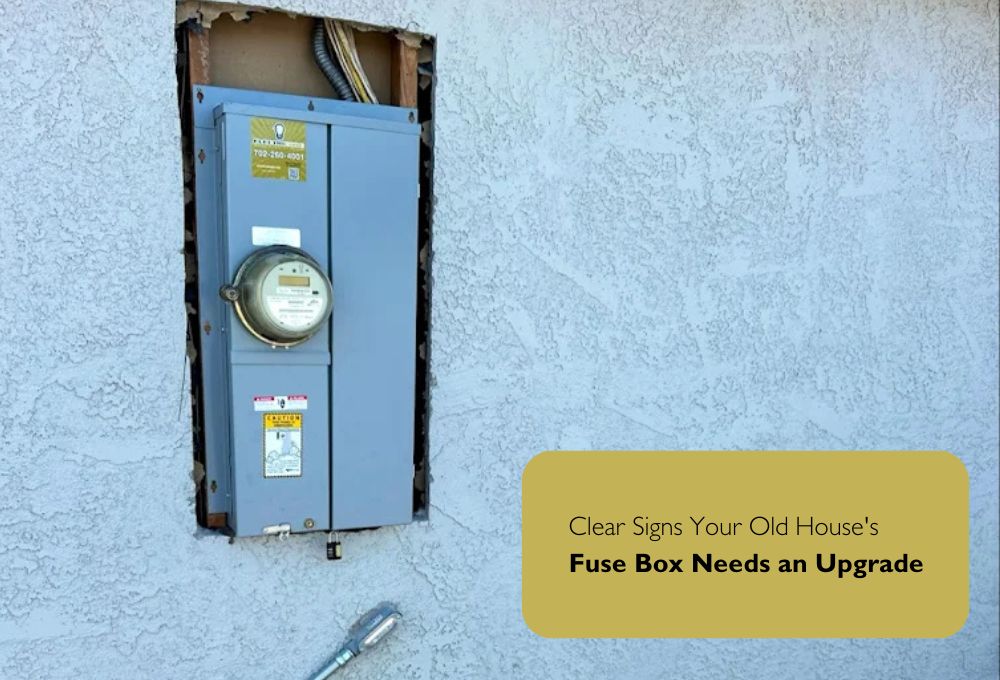
Clear Signs Your Old House’s Fuse Box Needs an Upgrade
An old house fuse box begins to show warning signs when it can no longer handle the demands of a modern home. These signs may appear slowly, but they indicate that the system is under stress. Paying attention to these clues helps prevent electrical hazards and allows you to plan upgrades before a serious issue occurs.
- Frequent blown fuses during normal use
- A panel that feels warm when touched
- Flickering lights in multiple rooms
- A burning smell or buzzing near the panel
- Discolored fuses or loose fuse holders
These issues happen because older panels were not designed for today’s heavy appliances and large electrical loads. As the system ages, the stress becomes more noticeable. When fuses blow often, it means the wiring and panel are struggling to support your daily power needs.
If you notice these signs, it is best to take action quickly before the problem grows. A simple upgrade or inspection can protect your home and make your electrical system safer. You can explore smoke detector installation services to add extra safety while planning your next steps.
Problems That Come from Keeping an Old House Fuse Box
Keeping an old house’s fuse box can cause several problems as the home continues to use more power. These older systems were built for lighter loads, so they struggle when the home relies on modern appliances. This strain increases the chance of outages and hidden damage inside the panel. Over time, these issues become more serious and more costly to fix.
One common problem is limited capacity. Fuse boxes cannot support high-demand appliances like air conditioners, heaters, or large kitchen devices. When these appliances run at the same time, the system becomes overloaded. This can lead to frequent blown fuses and weakened wiring behind the panel.
Another issue is poor grounding. Older fuse boxes often lack grounding, which helps reduce shock risks. Without grounding, even a small problem can turn into a major hazard. This makes older systems unsafe when they face storms, surges, or heavy electrical use. Homes with outdated fuse boxes are more likely to face shock risks or electrical fires.
Many homeowners do not notice these problems until the system fails under pressure. Simple updates help reduce risks and improve reliability. If you want a clearer and safer setup, you can explore panel labeling services as part of your safety plan.
How Electricode Can Upgrade Your Fuse Box Safely
An old house fuse box can create real risks when it faces modern electrical loads. Our licensed electricians inspect your system carefully and explain each issue in clear terms. We review the panel, check wiring conditions, and help you choose a safe upgrade that supports your home today and in the future.
If you want a safer system and a professional review, you can contact Electricode today to schedule a full inspection and upgrade plan.