Why Do My Light Bulbs Keep Burning Out?
If you find yourself replacing light bulbs far too often, you are not alone. It can be frustrating when a bulb that should last months gives out in days. Many homeowners in Las Vegas face this problem, and it is often more serious than it seems.
Constant burnout is not always the bulb’s fault. The real issue may lie deeper in your home’s electrical system. Loose wiring, poor ventilation, power surges, and outdated panels are all common causes that slowly wear down even the best-quality bulbs.
The good news is that there are real solutions. By identifying the root of the problem, you can avoid the constant cycle of replacements and protect your home from larger safety risks. Let us explore what really causes light bulbs to burn out too quickly, and what you can do to stop it.
What Causes Early Bulb Failure?
Bulbs burn out for many reasons, but three of the most common causes come down to connection, heat, and voltage. Understanding these root problems is the first step toward lasting solutions.
Loose connections are a top reason for burnout. If the bulb is not seated properly or the socket is worn, it causes arcing. That leads to flickering and overheating. This also happens when the wiring inside the fixture is loose. These kinds of issues require prompt Electrical Repairs to prevent long-term damage.
Excess heat from enclosed or recessed fixtures is another issue. These fixtures often trap warmth around the bulb, especially if the wrong type of bulb is used. Incandescent and halogen lights are especially sensitive. Upgrading to well-ventilated Indoor and Outdoor Lighting fixtures can help prevent overheating.
Using incorrect wattage is also risky. If you put a 100-watt bulb into a fixture rated for 60 watts, the extra heat stresses the bulb and the wiring. Many homes still lack proper Panel Labeling, making it difficult to match bulbs and fixtures safely. A quick check can go a long way in extending the life of your lighting.
Deeper Electrical Issues Behind Burnouts
Sometimes the problem is not visible at all. In many Las Vegas homes, repeated bulb failure is caused by outdated or stressed electrical systems hiding behind walls and ceilings.
Fluctuating voltage is a silent problem. If your home receives power above or below the expected 120 volts, it can fry bulbs in days. This is especially common in older homes or those that have not had recent Electrical Inspections. Modern diagnostics can catch these fluctuations before they cause serious damage.
Circuit overload is another issue. Many homeowners unknowingly connect too many appliances to one circuit. That strains the wiring and causes dips and spikes in power. Rooms with microwaves, space heaters, or multiple computer monitors are especially vulnerable. If this is happening in your home, it may be time for a Panel Upgrade.
Power surges are often overlooked. Even small surges, from air conditioners turning on or appliances cycling, can damage LED drivers and shorten bulb life. A whole-home Surge Protection system acts as a barrier, absorbing the excess voltage before it reaches your lights.
Environment and Fixture Placement Matter
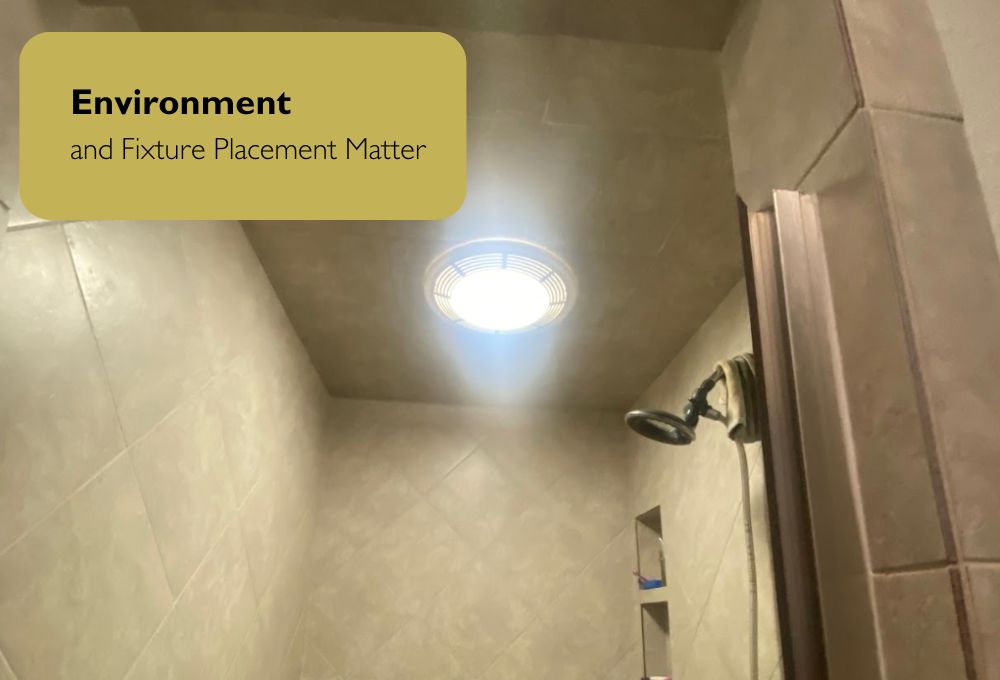
Where your bulbs are located also plays a big role in how long they last. Placement and surrounding conditions can create stress that leads to frequent replacements.
Bathrooms, kitchens, garages, and outdoor areas have high humidity. Moisture can corrode sockets and damage wires inside the wall. Using sealed fixtures and adding proper airflow with Ceiling Fan Installation can reduce this risk. In spaces with poor airflow, even LEDs can fail early.
Vibration is another factor. In stairwells, ceiling fans, or near doors that slam shut, vibration shakes the filament or bulb base. This repeated movement shortens the life of the bulb. Installing shock-resistant fixtures and upgrading with Outlet Installation ensures greater stability.
Here are a few more signs your electrical system may be contributing to bulb failure:
- Light switches that feel warm to the touch
- Buzzing sounds when a bulb is turned on
- A specific room or fixture where bulbs always burn out first
- Flickering when appliances start running
All of these are red flags that it is time to consult an Electrician in Las Vegas.
Why Homeowners Choose Electricode
At Electricode, we do more than fix bulbs. We solve the electrical issues that cause them to fail. Our team brings a deep understanding of home systems, from fixture design to whole-panel upgrades, across the Las Vegas area.
We begin every job with a full evaluation. We check your fixtures, measure voltage levels, and inspect panels and outlets. If you have flickering or dead bulbs, we find the cause and give you options. Whether it is a simple wiring repair or a full system upgrade, we provide clear, honest solutions every step of the way.
We also help homeowners prevent problems before they start. Our Safety & Savings Plan Club Membership includes routine inspections, discounts, and early warnings about potential risks. Many of our clients save money by avoiding major repairs altogether.
Affordability is also a key part of our service. We regularly update our Coupons to help Las Vegas families save on essential work. From Smoke Detection systems to energy-efficient upgrades, we offer budget-friendly solutions that do not sacrifice quality.
Want to see how we help your neighbors? Read the blog or Find Electricode in the news to learn how we are making homes safer, smarter, and more efficient.
Put an End to Bulb Replacements for Good
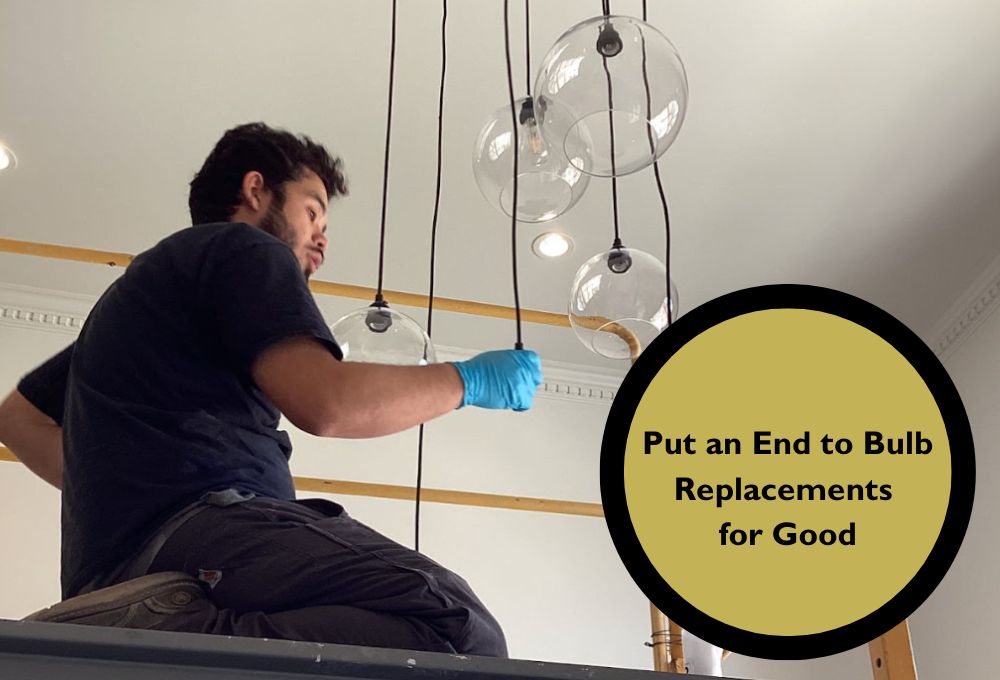
You do not need to keep guessing why your bulbs are failing. The answer is already in your walls, your panel, or your fixtures. All you need is the right expert to spot the issue and fix it the right way.
At Electricode, we take lighting problems seriously. We treat your home with care, provide detailed solutions, and back our work with guarantees you can trust. Whether you need a full system check or just want peace of mind, we are ready to help.
Tired of changing the same bulb over and over? Contact Us today and let us bring lasting brightness back to your home.