How to Tell If You Have an Overloaded Circuit
How to Tell If You Have an Overloaded Circuit
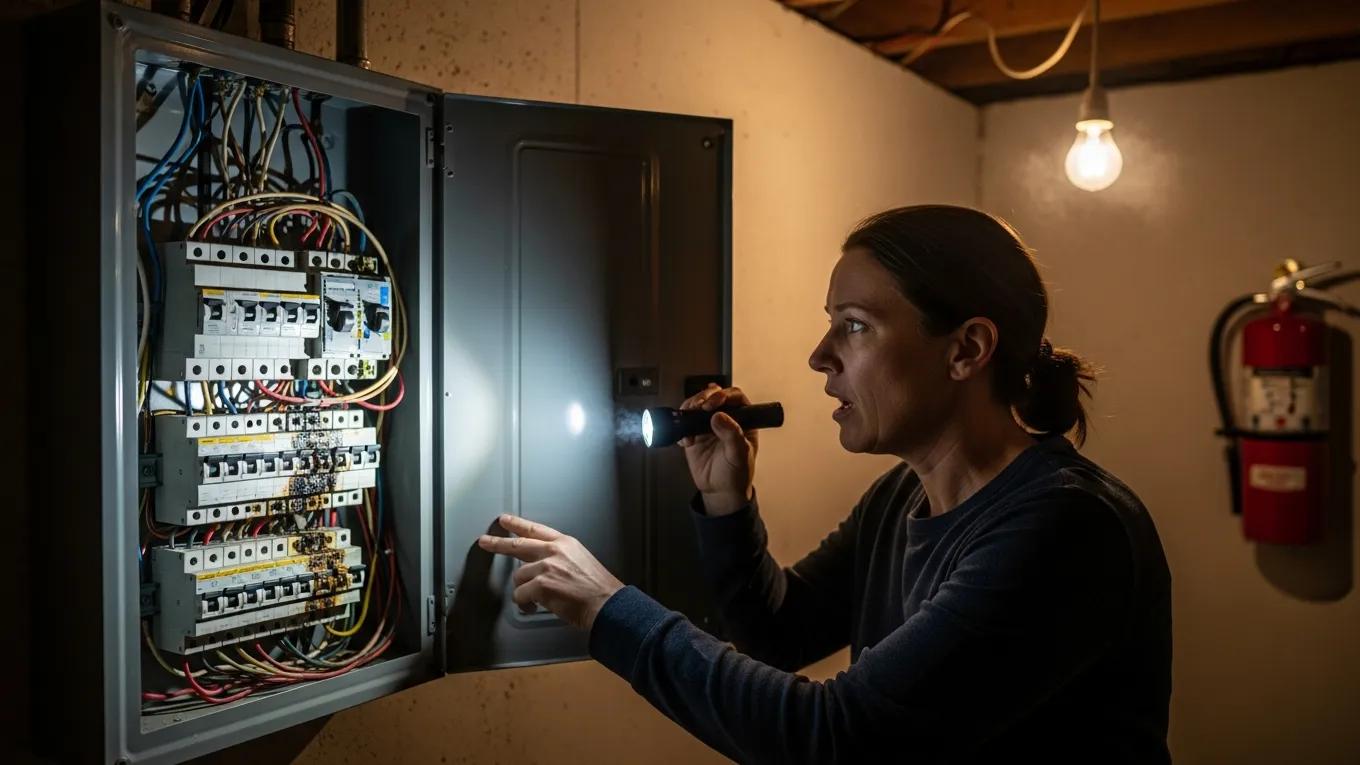
How to Tell If You Have an Overloaded Circuit: Key Signs and Immediate Actions for Homeowners
Understanding the signs of an overloaded circuit is crucial for maintaining electrical safety in your home. An overloaded circuit occurs when the electrical demand exceeds the capacity of the circuit, leading to potential hazards such as fires or equipment damage. This article will guide homeowners through the key indicators of an overloaded circuit, the immediate actions to take, and when to seek professional help. By recognizing these signs early, you can prevent serious electrical issues and ensure the safety of your home and family. We will explore common symptoms, the causes of overloads, and the importance of professional inspections.
Understanding the severe consequences of electrical overloads, including the risk of fires, underscores the importance of recognizing even subtle indicators.
Home Fire Risks from Electrical Overloads & Hidden Signs
This article describes the investigation that took place during a fatal home fire caused by an electrical overload. Fires such as this are often preventable if homeowners are aware of the risks and signs. While some indicators might be obvious (e.g., flickering lights), these indicators might not be presenting the full picture and other lagging indicators may be present.
The case of the overloaded electrical circuit, M Ricketts, 2020
Key signs of an overloaded circuit include:
Identifying the signs of an overloaded circuit is essential for preventing electrical hazards. Homeowners should be vigilant for the following indicators:
- Flickering or Dim Lights: If your lights flicker or dim when you turn on appliances, it may indicate that the circuit is overloaded.
- Frequent Light Bulb Replacement: If you find yourself replacing light bulbs more often than usual, it could be a sign of electrical strain.
- Discoloration or Burn Marks on Outlets: Any discoloration or burn marks around outlets or switches is a serious warning sign of an overloaded circuit.
These signs can help you identify potential overloads before they lead to more significant issues.
What Are the Common Signs of an Overloaded Circuit?
Common signs of an overloaded circuit include flickering lights, frequent circuit breaker trips, and a burning smell near outlets. Each of these symptoms indicates that the electrical system is under stress and may not be able to handle the current load.
- Flickering Lights: This can occur when too many devices are drawing power from the same circuit, causing fluctuations in voltage.
- Frequent Breaker Trips: If your circuit breaker trips often, it is a clear indication that the circuit is overloaded and cannot handle the electrical demand.
- Burning Smell Near Outlets: A burning smell is a serious warning sign that should not be ignored, as it can indicate overheating wires or components. If you notice such a smell, it’s crucial to seek electrical repairs immediately.
Recognizing these signs early can help prevent electrical fires and other hazards.
How Do Flickering Lights Indicate Electrical Overload?
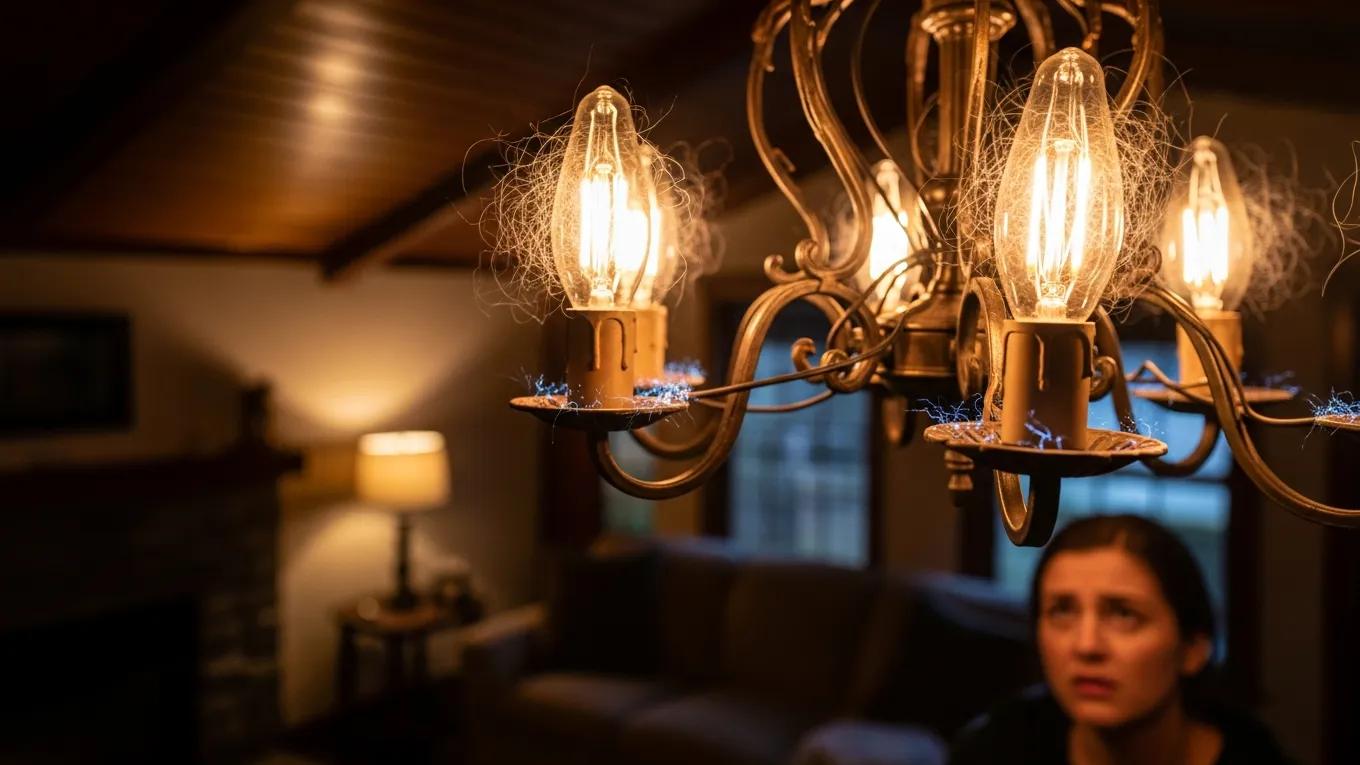
Flickering lights are often a direct result of loose connections or overloaded circuits. When too many devices are connected to a single circuit, the electrical load can exceed the circuit’s capacity, leading to fluctuations in power supply.
- Loose Connections: Poor connections can cause intermittent power delivery, resulting in flickering lights.
- Overloaded Circuits: When the demand for electricity exceeds the circuit’s capacity, it can lead to unstable voltage levels.
- Need for Professional Inspection: If flickering persists, it is advisable to consult a professional electrician to assess the situation. For reliable electrical inspections, consider contacting a qualified service.
Understanding the relationship between flickering lights and electrical overload can help homeowners take proactive measures.
Why Does Frequent Circuit Breaker Tripping Occur?
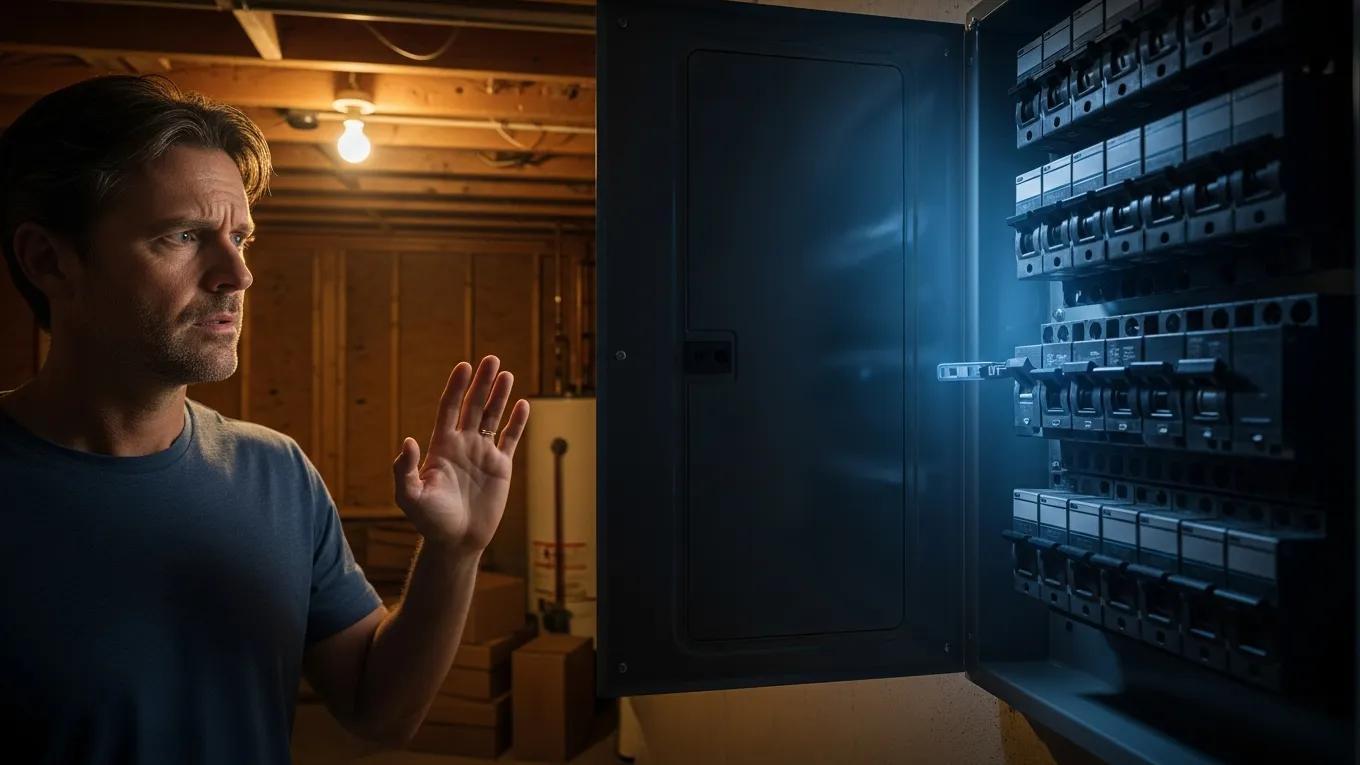
Frequent circuit breaker tripping is a common symptom of overloaded circuits. This occurs when the electrical demand exceeds the circuit’s capacity, causing the breaker to trip as a safety measure.
- Increased Electrical Demand: Adding new appliances or devices can increase the load on a circuit, leading to frequent trips.
- Overloaded Circuits: If too many devices are plugged into one circuit, it can easily become overloaded.
- Worn or Damaged Components: Aging electrical components may not handle current loads effectively, resulting in tripping.
Understanding these causes can help homeowners manage their electrical systems more effectively.
What Causes Electrical Overloads in Residential Circuits?
Electrical overloads in residential circuits can be caused by several factors. Identifying these causes is essential for preventing future issues.
- Too Many Devices on One Circuit: Plugging multiple high-wattage devices into a single circuit can easily lead to overload.
- Faulty Wiring: Damaged or outdated wiring can increase the risk of overloads and should be inspected regularly.
- Outdated Electrical Panels: Older panels may not support the electrical demands of modern homes, leading to overloads. Upgrading your electrical panels can help prevent such issues.
By understanding these causes, homeowners can take steps to mitigate risks.
What Immediate Steps Should You Take If You Suspect an Overloaded Circuit?
If you suspect an overloaded circuit, it is crucial to take immediate action to prevent potential hazards. Here are some steps to consider:
- Unplug Devices: Start by unplugging non-essential devices from the circuit to reduce the load.
- Call a Professional Electrician: If the problem persists, contact a qualified electrician to assess the situation and make necessary repairs. If you’re in need of assistance, you can contact Electricode for expert help.
- Avoid Overloading Circuits: Be mindful of how many devices you connect to a single circuit to prevent future overloads.
Taking these steps can help ensure the safety of your electrical system.
Beyond immediate actions, innovative solutions are being developed to provide real-time monitoring and protection against household overloads.
Household Overload Protection & Real-time Monitoring
The proposed system is designed to monitor the electrical current sensor and act upon perceived overload conditions. It uses LED indicators and a PLC communication module to provide real-time feedback on power consumption and intervene in the case of an overload, thereby preventing potential damage or hazards.
Household power outlet overload protection and monitoring using cost effective embedded solution, D Vinko, 2013
How to Safely Reset a Tripped Circuit Breaker?
Resetting a tripped circuit breaker is a straightforward process, but it must be done safely. Here’s how to do it:
- Locate the Breaker Panel: Find your home’s breaker panel, usually located in a basement, garage, or utility room.
- Identify the Tripped Breaker: Look for the breaker that is in the “off” position or is not aligned with the others.
- Reset the Breaker: Flip the tripped breaker to the “off” position and then back to “on.”
By following these steps, you can safely restore power to your circuit.
When Should You Unplug Devices to Reduce Electrical Strain?
Unplugging devices can significantly reduce electrical strain on your circuits. Here are some guidelines on when to unplug:
- Signs of Overload: If you notice flickering lights or frequent breaker trips, it’s time to unplug devices.
- High-Energy Devices: Appliances like space heaters, air conditioners, and microwaves draw significant power and should be used sparingly on the same circuit.
- Preventing Circuit Strain: Regularly unplugging devices that are not in use can help maintain a balanced load on your circuits.
Being proactive about unplugging devices can help prevent overloads.
When and Why Should You Contact a Professional Electrician in Las Vegas?
Knowing when to contact a professional electrician is vital for maintaining electrical safety. Here are some scenarios where professional help is necessary:
- Frequent Breaker Trips: If your circuit breaker trips often, it may indicate a serious issue that requires professional assessment.
- Burning Smells: Any burning smell near outlets or switches should prompt an immediate call to an electrician.
- Need for Upgrades: If your home has outdated wiring or panels, a professional can recommend necessary upgrades to prevent overloads. For reliable service in Las Vegas, consider Electricode.
Contacting a professional ensures that your electrical system is safe and up to code.
What Are the Benefits of Professional Electrical Inspections?
Professional electrical inspections offer several benefits that can enhance the safety and efficiency of your home’s electrical system.
- Safety Assurance: Regular inspections can identify potential hazards before they become serious issues.
- Compliance with Codes: An electrician ensures your electrical system complies with local codes and regulations.
- Cost Savings: Preventive maintenance can save you money in the long run by avoiding costly repairs and replacements.
Investing in professional inspections is a proactive approach to electrical safety.
How Can Electrical Panel Upgrades Prevent Future Overloads?
Upgrading your electrical panel can significantly reduce the risk of overloads in your home. Here’s how:
- Increased Capacity: Newer panels can handle higher electrical loads, accommodating modern appliances and devices.
- Eliminating Hazards: Upgrading outdated panels reduces the risk of electrical fires and other hazards.
- Supporting Modern Appliances: As homes become more reliant on technology, upgraded panels ensure that your electrical system can support these demands. If you’re considering installing new appliances like ceiling fans, ensure your electrical system is prepared. Ceiling fan installation can be a great way to improve energy efficiency.
Considering an upgrade can enhance the safety and functionality of your home’s electrical system.
Indeed, modernizing your home’s electrical infrastructure through panel upgrades is a critical step in preventing future overloads and ensuring long-term safety.