What Electrical Inspectors Flag Most in Older Homes
What Electrical Inspectors Flag Most in Older Homes: Common Problems and Safety Concerns
Older homes often present unique electrical challenges that can pose significant safety risks. Electrical inspectors play a crucial role in identifying these issues, ensuring that homes meet safety standards and comply with local codes. This article will explore the most common electrical problems flagged by inspectors, the types of outdated wiring that can be hazardous, and the implications of these issues for homeowners. Additionally, we will discuss how timely electrical inspections can prevent costly repairs and enhance safety in older properties.
What Are the Most Common Electrical Problems Found in Older Homes?
Electrical inspectors frequently encounter several issues in older homes that can compromise safety and functionality. These problems include outdated wiring systems, inadequate electrical panels, and overloaded circuits. Each of these issues can lead to dangerous situations, such as electrical fires or system failures.
- Outdated Wiring: Many older homes still use wiring systems that do not meet current safety standards, such as knob and tube wiring or aluminum wiring, which can be prone to overheating and failure.
- Inadequate Electrical Panels: Older electrical panels may not be equipped to handle the electrical load of modern appliances, leading to frequent breaker trips and potential fire hazards.
- Overloaded Circuits: With the increase in electronic devices, older homes often have circuits that are overloaded, which can cause overheating and increase the risk of electrical fires.
For homeowners in Las Vegas, addressing these common electrical problems is essential for maintaining safety and compliance. Electricode specializes in electrical inspections, repairs, and installations, ensuring that your home meets all necessary safety standards.
Which Outdated Wiring Types Pose Hazards in Older Houses?
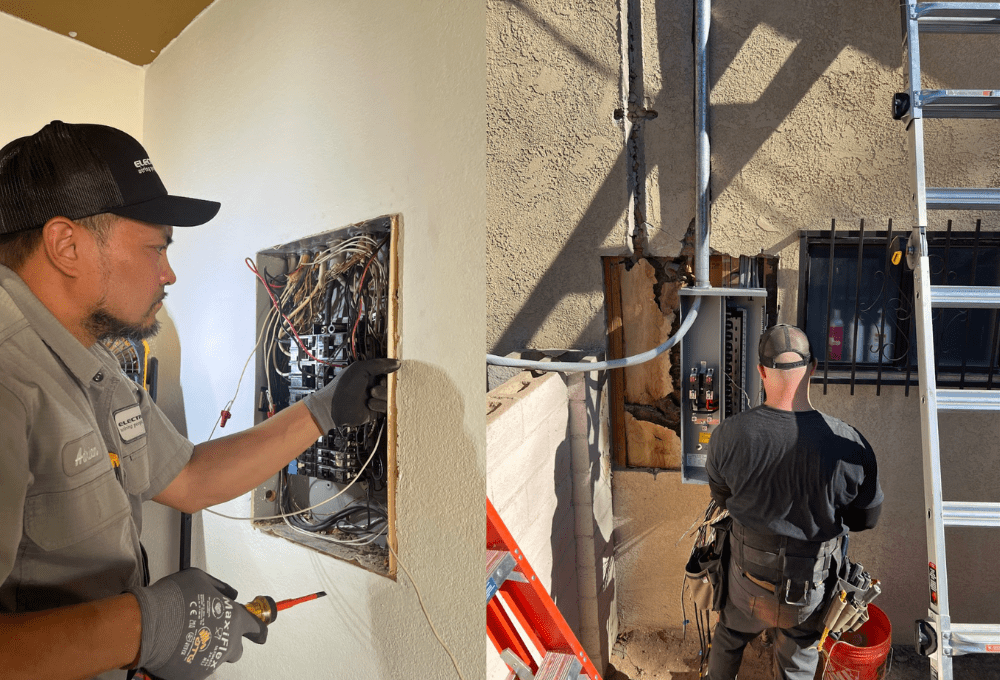
Certain types of outdated wiring are particularly hazardous in older homes. Understanding these risks is crucial for homeowners considering renovations or upgrades.
- Aluminum Wiring Risks: Aluminum wiring, commonly used in homes built between the 1960s and 1970s, can expand and contract, leading to loose connections and increased fire risk.
- Knob-and-Tube Wiring Hazards: This early wiring method lacks a ground wire and can be a fire hazard, especially when insulation is added around it.
- Federal Pacific Electric Panels: These panels are known for their failure to trip during overloads, posing a significant safety risk.
Further emphasizing the dangers, research highlights how outdated wiring significantly increases fire risks in older homes.
Knob and Tube Wiring: Fire Hazards in Older Homes
faulty wiring can both increase the fire hazard and make it harder to identify and repair the problems in the future. Knob and tube wiring is
Health and Safety Guide for Home Performance Contractors, C Stratton, 2012
Homeowners should consult with qualified electrical inspectors to evaluate their wiring systems and consider necessary upgrades.
How Do Faulty Electrical Panels Affect Home Safety?
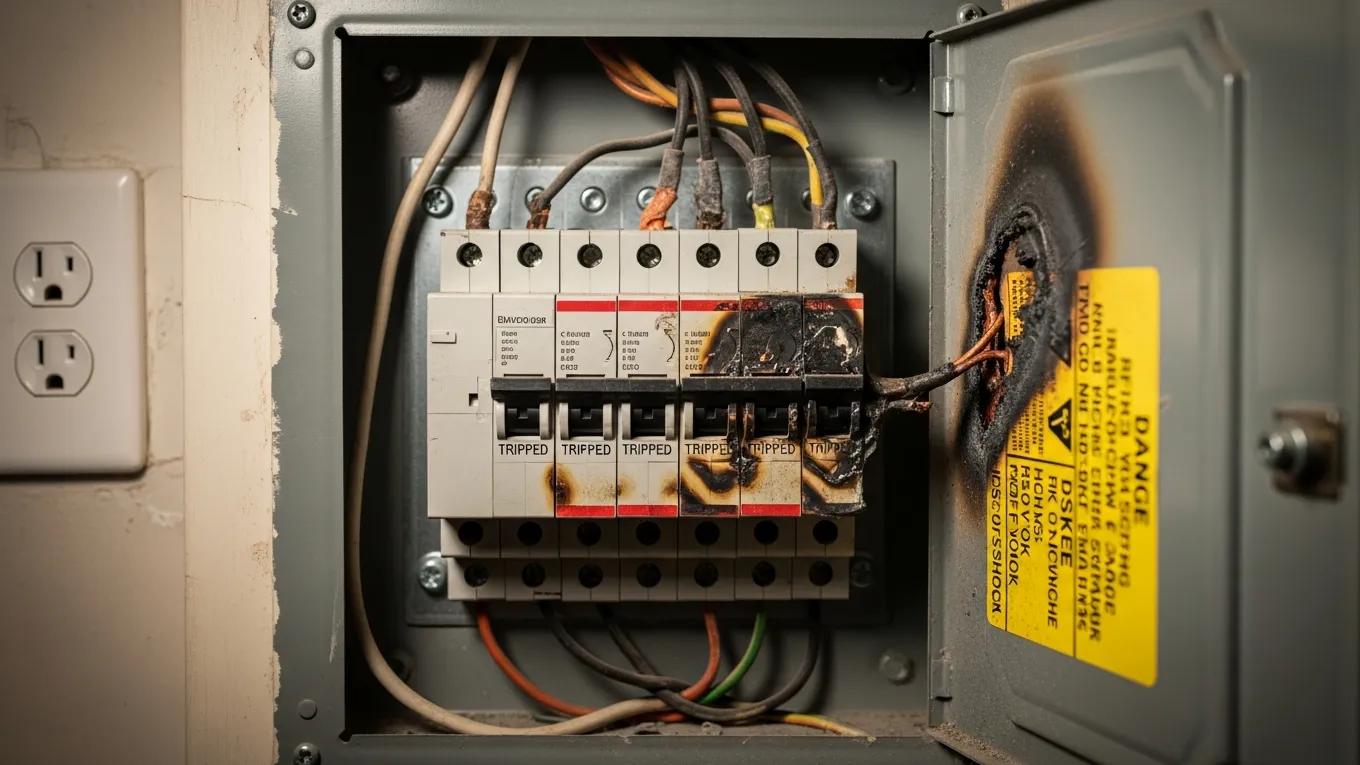
Faulty electrical panels can have serious implications for home safety. These panels are responsible for distributing electricity throughout the home, and any malfunction can lead to dangerous situations.
- Frequent Breaker Trips: A faulty panel may cause breakers to trip frequently, indicating an overload or short circuit, which can lead to electrical fires.
- Flickering Lights: Inconsistent power supply can result in flickering lights, a sign of underlying electrical issues that need immediate attention.
- Burning Smells: Any burning smell near the electrical panel is a critical warning sign that should not be ignored, as it may indicate overheating or electrical failure.
Regular inspections by professionals like Electricode can help identify and rectify these issues before they escalate into serious hazards.
What Electrical Code Violations Do Inspectors Frequently Identify in Older Properties?
Electrical code violations are common in older properties, often due to outdated installations that do not comply with current safety standards. Some frequent violations include:
- Inadequate Grounding: Many older homes lack proper grounding systems, which are essential for safety.
- Overcrowded Wiring: Inspectors often find too many wires in a single conduit, which can lead to overheating and potential fires.
- Improper Panel Installations: Panels that are not installed according to code can pose significant safety risks.
Addressing these violations is crucial for ensuring the safety and compliance of older homes.
Typical Code Compliance Issues in Las Vegas Older Homes
In Las Vegas, older homes often face specific compliance issues that can affect their safety and marketability. Common problems include:
- Outdated Wiring: Many homes still utilize wiring systems that do not meet modern safety standards.
- Improper Installations: Electrical systems that were not installed by licensed professionals can lead to significant safety hazards.
- Lack of GFCI Protection: Ground Fault Circuit Interrupters (GFCIs) are essential in areas where water and electricity may come into contact, such as kitchens and bathrooms. Many older homes lack this critical safety feature.
Homeowners should prioritize electrical inspections to identify and rectify these compliance issues.
How Do These Violations Impact Homeowners and Businesses?
Electrical violations can have far-reaching implications for both homeowners and businesses. Understanding these impacts is essential for maintaining safety and compliance.
- Safety Risks: Unaddressed electrical issues can lead to fires, electrocution, and other serious hazards.
- Property Value Impact: Homes with unresolved electrical violations may face decreased market value and difficulty selling.
- Insurance Costs: Insurance companies may increase premiums or deny coverage for homes with known electrical issues, leading to higher costs for homeowners.
Regular inspections and prompt repairs can mitigate these risks and protect property value.
How Is a Home Electrical Inspection Conducted for Older Houses?
A thorough electrical inspection is essential for identifying potential hazards in older homes. The process typically involves several key steps:
- Initial Inspection Steps: Inspectors will assess the overall condition of the electrical system, including wiring, outlets, and panels.
- Service Inspection Details: This includes testing circuits, checking for proper grounding, and ensuring that all components meet current safety standards.
- Follow-Up Inspection Importance: After repairs are made, a follow-up inspection ensures that all issues have been addressed and that the home is safe for occupancy.
Experts continue to develop and refine methodologies for electrical inspections to ensure comprehensive safety and prevent hazards.
Electrical Inspection Methods for Fire & Shock Prevention
This paper presents improved measures for the prevention of electrical fires and electric shock. Based on extensive study of the current standards and literature, as well as on the analysis of the results of long-lasting experimental work (2011–2022), original and comprehensive questionnaires specifically designed for periodic verifications of low-voltage electrical installations in buildings are proposed, related to visual inspection, functionality checks and thermal imaging inspection. The questionnaires overcome the disadvantages of incomplete regulations and currently used safety procedures in this field, ensuring thorough safety assessments, facilitating verification activities, maximizing operator’s efficiency and preventing some of the necessary activities to be overlooked.
An improved methodology for periodic verifications of low-voltage electrical installations, M Kostic, 2025
Engaging a qualified inspector like Electricode can provide peace of mind and ensure compliance with local codes.
What Does a Home Electrical Inspection Checklist Include?
A comprehensive electrical inspection checklist is vital for ensuring that all aspects of the electrical system are evaluated. Key components typically include:
- Electrical Panel Checks: Inspectors will assess the condition and capacity of the electrical panel.
- Wiring Inspections: All wiring will be examined for signs of wear, damage, or non-compliance with current codes.
- Outlet Evaluations: Inspectors will check all outlets for proper grounding and functionality.
This checklist helps ensure that no critical areas are overlooked during the inspection process.
How Does Electricode Address Inspection Findings with Repairs and Upgrades?
Electricode is committed to addressing inspection findings through comprehensive repairs and upgrades. The process includes:
- Initial Inspection Process: Electricode conducts thorough inspections to identify all electrical issues.
- Service Inspection Quality: Their team ensures that all repairs meet or exceed local code requirements.
- Follow-Up Inspection Confirmation: After repairs, Electricode performs follow-up inspections to confirm that all issues have been resolved.
This commitment to quality ensures that homeowners can trust their electrical systems to be safe and compliant.
Why Are Timely Electrical Inspections Critical for Safety and Compliance in Older Homes?
Timely electrical inspections are essential for maintaining safety and compliance in older homes. Key reasons include:
- Identifying Hazards Early: Regular inspections can uncover potential hazards before they escalate into serious issues.
- Compliance with Regulations: Keeping up with inspections ensures that homes meet current safety standards and regulations.
- Insurance Implications: Many insurance policies require regular inspections to maintain coverage, making them a critical aspect of homeownership.
Homeowners should prioritize regular inspections to protect their investments and ensure safety.
What Are the Risks of Delaying Electrical Inspections?
Delaying electrical inspections can lead to several significant risks, including:
- Potential Hazards: Unidentified electrical issues can lead to fires, electrocution, and other serious accidents.
- Compliance Issues: Failing to address code violations can result in fines and legal issues for homeowners.
- Increased Repair Costs: Delaying inspections often leads to more extensive damage, resulting in higher repair costs down the line.
Regular inspections are a proactive measure that can save homeowners time and money.
How Do Inspections Support Insurance and Local Code Requirements?
Electrical inspections play a vital role in supporting insurance and local code requirements. Key aspects include:
- Safety and Compliance: Inspections ensure that homes meet safety standards, reducing the risk of accidents.
- Impact on Insurance: Many insurance companies require proof of regular inspections to maintain coverage, making them essential for homeowners.
- Local Regulations: Compliance with local codes is crucial for avoiding fines and ensuring that homes are safe for occupancy.
Engaging a qualified inspector like Electricode can help homeowners navigate these requirements effectively.